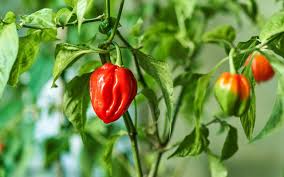
Eps 2417: growing spicy peppers
— The too lazy to register an account podcast
The podcast provides an in-depth guide on growing spicy peppers, covering essential steps and tips for successful cultivation. It begins with selecting the right variety of pepper seeds, highlighting the importance of choosing seeds that are suited to your climate. The podcast emphasizes starting seeds indoors about 8-10 weeks before the last frost date to give the plants a strong start. Seedlings should be kept in a warm environment with plenty of light until they're ready to be transplanted outside. When it comes to soil, well-draining, nutrient-rich soil is crucial for pepper plants. Adding compost or organic matter can enhance soil quality. The podcast underscores the importance of proper spacing to ensure adequate air circulation, which helps prevent disease. Watering needs are also discussed, with an emphasis on consistent moisture but avoiding waterlogged conditions. Mulching can help retain soil moisture and keep the roots cool. Fertilizing is advised, particularly with a balanced fertilizer high in phosphorus and potassium to encourage flower and fruit production. Pruning is suggested to promote better airflow and sunlight penetration, which leads to healthier plants and more robust fruiting. The podcast also touches on common pests and diseases, recommending organic pest control methods and regular monitoring of the plants. Finally, the podcast concludes with harvesting tips, advising listeners to harvest peppers when they reach their desired size and color, using pruning shears or a sharp knife to avoid damaging the plant. Proper post-harvest handling includes washing and drying the peppers for long-term storage or immediate use.
| Seed data: | Link 1 |
|---|---|
| Host image: | StyleGAN neural net |
| Content creation: | GPT-3.5, |
Host

Terrance Vargas
Podcast Content
Transplant seedlings outdoors when nighttime temperatures consistently stay above 55°F (13°C). Prepare your garden bed by enriching the soil with organic compost, ensuring good drainage to avoid waterlogged roots. Spacing is crucial; provide at least 18-24 inches between plants to allow ample room for growth and air circulation, which helps prevent disease.
Watering needs balance – while peppers like steady moisture, overwatering can lead to root rot or other issues. Aim to keep the soil consistently moist but not waterlogged, utilizing a soaker hose or drip irrigation to reduce foliage wetness, which can encourage fungal problems. As your peppers grow, consider mulching around the base of the plants to retain soil moisture and suppress weeds.
Fertilization is key to robust growth and high yields. Incorporate a balanced fertilizer into the soil at planting and consider side-dressing with compost or a slow-release fertilizer midway through the growing season. Peppers benefit from a boost of potassium and phosphorus during fruiting, so choose fertilizers with these nutrients to ensure healthy, productive plants.
Pest management can be challenging but manageable. Keeping an eye out for common pests such as aphids, spider mites, and pepper maggots is essential. Employing natural predators, like ladybugs and lacewings, can help maintain pest populations. Alternatively, organic pesticides such as neem oil can control more severe infestations without harming beneficial insects.
Harvesting peppers at the right time enhances flavor and heat. For most varieties, you can start picking once they reach a mature size and the desired color. Regular harvesting encourages further production, so don’t hesitate to pick frequently. Remember that some peppers, like green jalapeños, will ripen further to red on the plant, increasing their sweetness and heat.
In summary, growing spicy peppers requires thoughtful preparation and consistent care but offers a remarkable payoff in culinary delights and garden satisfaction. The process can teach patience, precision, and a deep appreciation for the vibrant, fiery fruits that can transform dishes and invigorate the palate. Whether you're a seasoned gardener or a novice pepper grower, these tips will help you cultivate a bountiful crop of spicy peppers to enjoy and share.