Host

Adrian Bailey
Podcast Content
The allure of gold can be traced back to its rarity and unique properties. Unlike other metals, gold does not corrode or tarnish, making it the perfect material for jewelry and decorative objects that can withstand the test of time. Its malleability and ductility allow it to be easily shaped and molded into intricate designs, further adding to its appeal.
Gold also has practical applications beyond its aesthetic value. It is an excellent conductor of electricity, making it an essential component in electronics and technology. It is also used in dentistry, medicine, and aerospace due to its biocompatibility and durability.
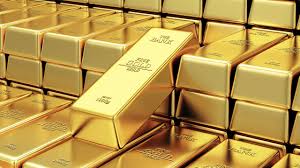
But perhaps the most significant aspect of gold is its role as a store of value and medium of exchange. Throughout history, gold has been used as a form of currency and a standard for measuring wealth. Its scarcity and permanence have made it a reliable hedge against inflation and economic instability.
The discovery of gold has sparked countless gold rushes and expeditions, leading to the colonization of new territories and the establishment of trade routes. The quest for gold has fueled exploration and conquest, shaping the course of human history and sparking conflicts and wars.
In the modern era, gold continues to hold its allure as a safe haven asset and investment. Investors flock to gold during times of economic uncertainty and geopolitical instability, seeking to preserve their wealth and hedge against market fluctuations. Central banks and governments also hold significant reserves of gold as a form of national security and financial stability.
The mining and extraction of gold have come under scrutiny for its environmental and social impact. Large-scale mining operations can lead to deforestation, pollution, and displacement of indigenous communities. There are also concerns about unethical practices in the gold supply chain, including child labor and human rights abuses.
Despite these challenges, the demand for gold shows no signs of waning. Its enduring appeal as a symbol of beauty, wealth, and power ensures that gold will continue to hold its place as the king of metals. As long as humanity values rarity, durability, and beauty, gold will remain a timeless treasure that transcends borders and cultures.