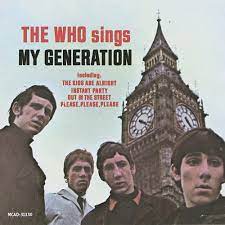
Eps 9: Generation: Album Musics
The podcast discusses how album music has changed over the generations, from vinyl records in the past to digital streaming platforms such as Spotify and Apple Music today. While vinyl records focused on the overall cohesiveness of an album, digital streaming has made it easier for listeners to access individual songs and curate their own playlists. Additionally, the hosts talk about how album art has evolved and become less of a focus with digital music. Ultimately, the podcast highlights the nostalgia and sentimental value that physical albums hold for some individuals, but also acknowledges the convenience and accessibility of digital music streaming.
| Seed data: | Link 1 |
|---|---|
| Host image: | StyleGAN neural net |
| Content creation: | GPT-3.5, |
Host

Beth Cunningham
Podcast Content
Let's begin by looking back at the early generations of album music. In the 1960s and 1970s, albums were released as vinyl records, and artists used this medium as a canvas to paint a sonic picture. Think of Pink Floyd's "Dark Side of the Moon," which masterfully blends progressive rock, conceptual lyrics, and state-of-the-art sound effects into a cohesive and ambitious masterpiece. Albums like these were designed to be listened to from start to finish, with each song leading seamlessly into the next and building up a narrative arc that stretched across the entire running time.
As time went on, album music started to shift and adapt to the changing musical landscape. In the 1980s, the emergence of music videos and MTV had a massive impact on the way albums were marketed and consumed. Suddenly, it became essential for artists to craft radio-friendly hits that could stand alone and function as singles. This led to a lot of albums that were built around a handful of blockbuster tracks, with the rest of the material feeling like filler.
However, the 1990s and early 2000s saw a return to the importance of album music as a storytelling medium. Grunge bands like Nirvana and Soundgarden crafted albums that were raw and emotionally charged, reflecting the ennui and frustration of a disillusioned generation. Meanwhile, hip-hop albums like Nas' "Illmatic" and Outkast's "Aquemini" demonstrated how rap artists could use the album format to explore complex issues like race, identity, and social inequality.
Today, we are living in an age of streaming and instant gratification, where many listeners prefer to consume music one song at a time rather than diving into a full album. However, this hasn't stopped artists from continuing to make albums that are thematically rich and immersive. Kendrick Lamar's "To Pimp a Butterfly" is a perfect example of this, with its sprawling and ambitious scope that tackles issues like blackness, power, and systemic oppression. Similarly, Beyonce's "Lemonade" is a tour-de-force of artistry and vulnerability, exploring themes of betrayal, forgiveness, and self-love.
One notable development in the 21st century is the rise of the concept album - a type of album that is built around a central theme or story. These albums take the idea of album music as a narrative form to a new level, weaving together multiple sonic and lyrical threads to create a cohesive whole. Examples of concept albums include Green Day's "American Idiot," a rock opera that critiques the Bush-era American political landscape through a cast of characters, and Janelle Monae's "Dirty Computer," a sci-fi odyssey that celebrates queer and black identity.
In closing, while it's true that album music may not be as widespread or dominant as it once was, it remains an essential part of the musical landscape - a medium through which artists can tell stories, express themselves, and explore deeper themes and emotions. From the vinyl LPs of the 60s and 70s to the streaming concept albums of today, album music has come a long way - but its impact and significance remain undiminished.