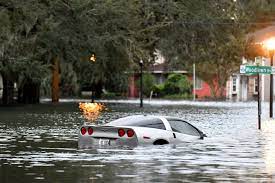
Eps 2: Floods
In a 10-minute podcast titled "Floods," the episode discusses the causes and impacts of floods. The conversation highlights how various factors contribute to flooding, such as heavy rainfall, snowmelt, or dam failures, leading to overflowing rivers and water bodies. The host explains that floods can have devastating consequences, causing extensive property damage, loss of lives, and displacement of people. They emphasize that urbanization and climate change exacerbate the issue, increasing the frequency and intensity of floods. The podcast concludes by emphasizing the importance of proper infrastructure, early warning systems, and community preparedness in mitigating the effects of floods.
| Seed data: | Link 1 |
|---|---|
| Host image: | StyleGAN neural net |
| Content creation: | GPT-3.5, |
Host

Ellen Ellis
Podcast Content
Introduction:
Welcome to another episode of [Podcast Title]. In this episode, we will delve into the topic of floods. Floods are a natural disaster that has wreaked havoc throughout history, affecting communities, economies, and ecosystems alike. Join us as we explore the causes, impacts, and measures to mitigate the devastating consequences of flooding.
Paragraph 1: The Causes of Flooding
Flooding occurs when excessive amounts of water overflow onto normally dry land. There are several causes of flooding, including heavy rainfall, snowmelt, dam failures, or even coastal storms. These events can lead to a sudden surge of water that overwhelms drainage systems, resulting in large-scale flooding. Climate change also plays a significant role in intensifying and increasing the frequency of floods, as rising sea levels and extreme weather events contribute to more precipitation and higher water levels.
Paragraph 2: Impacts of Flooding
Flooding can have severe consequences on both human lives and the environment. First and foremost, it poses a direct threat to human safety, as fast-moving floodwaters can cause drowning or injury. Furthermore, floods can cause significant damage to homes, infrastructure, and agriculture. Displaced communities, loss of livelihoods, and disruptions in essential services such as electricity and clean water supply are some of the socio-economic consequences of flooding. Additionally, floods can result in contamination of water sources and spread water-borne diseases, leading to public health emergencies.
Paragraph 3: Environmental Impact
Floods also leave a lasting impact on the natural environment. The force of rushing waters can erode riverbanks, altering the landscape and affecting aquatic habitats. Excessive sedimentation and nutrient runoff can contaminate water bodies, negatively impacting both marine and terrestrial ecosystems. Additionally, floods can result in the displacement or loss of animal species, disrupting local biodiversity. These cumulative environmental impacts can have long-term consequences on the overall health of ecosystems and the services they provide to humans.
Paragraph 4: Flood Mitigation and Preparedness
Efforts to mitigate the impact of floods and increase preparedness have become essential in the face of climate change. Constructing and maintaining proper drainage systems, levees, and flood barriers can help redirect and control excessive water flow. Urban planning and land-use restrictions in flood-prone areas can also reduce exposure to flood risks. Furthermore, early warning systems, community awareness programs, and emergency response plans are crucial to effectively respond to flooding events and evacuate affected populations in a timely manner.
Paragraph 5: International Initiatives and Collaboration
Addressing the challenges posed by flooding requires international collaboration and collective action. Various global initiatives, such as the Sendai Framework for Disaster Risk Reduction, prioritize flood resilience and preparedness. Sharing knowledge, best practices, and technologies among nations can help develop more effective strategies to manage floods. Additionally, supporting developing countries in their efforts to build resilient infrastructure and enhance their capacity to respond to flood events is crucial to minimize the impact on vulnerable populations.
Conclusion:
Floods continue to pose significant threats to human societies and the environment. By understanding the causes, impacts, and necessary measures to mitigate their effects, we can work towards building more resilient communities. Through international cooperation, improved infrastructure, and proactive disaster preparedness, we can minimize the destructive consequences of floods and ensure the safety and well-being of affected individuals and ecosystems. Stay tuned for more episodes on environmental challenges and the efforts being made to overcome them. Thank you for listening.