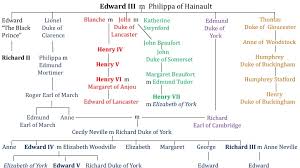
Eps 43: Family Tree Of The House Of York
— history
The House of York was a prominent royal house during the late Medieval period in England, a cadet branch of the larger Plantagenet dynasty. The family tree begins with Edmund of Langley, 1st Duke of York, who was the fourth surviving son of King Edward III. The most notable figures in the House of York include Richard, Duke of York, who laid claim to the throne, and his sons Edward IV and Richard III, both of whom became kings of England. Edward IV's reign was marked by his victory in the Wars of the Roses, a series of dynastic conflicts with the rival House of Lancaster. Richard III's short and controversial reign ended with his death at the Battle of Bosworth Field, which concluded the Wars of the Roses and led to the establishment of the Tudor dynasty under Henry VII, effectively ending the direct male line of the House of York.
| Seed data: | Link 1 |
|---|---|
| Host image: | StyleGAN neural net |
| Content creation: | GPT-3.5, |
Host

Stacey Wade
Podcast Content
Starting with Richard, the 3rd Duke of York, the family’s claim to the throne gained significant traction. Richard was a key figure during the feud with the Lancastrians and the wars that ensued. His marriage to Cecily Neville produced notable offspring, including Edward IV and Richard III, both of whom would wear the English crown. Edward IV managed to secure his position as king after defeating the Lancastrian forces, and his reign marked a period of relative stability until his sudden death in 1483. Edward's unexpected demise led to one of the most infamous chapters in English history: the brief and tumultuous reign of his younger brother, Richard III. Richard III's rule was marred by controversy, especially surrounding the mysterious disappearance of his nephews, known as the Princes in the Tower.
The male line of the House of York culminated with Richard III's defeat at the Battle of Bosworth Field in 1485 by Henry Tudor, marking the end of the Wars of the Roses and the rise of the Tudor dynasty. Nevertheless, the legacy of the House of York endured, not just in the annals of history, but also in the subsequent claims and turmoil that continued to play out within England’s ruling classes. The intricate and often bloody history of the House of York serves as a testament to the complex web of kinship, ambition, and strife that shaped medieval English politics, forever influencing the future of the British monarchy.