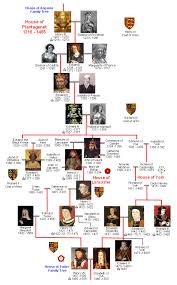
Eps 28: Family Tree Of The House Of Plantagenet
— history
The House of Plantagenet was a royal dynasty that originated from the Angevin counts of Anjou. It ruled England from the accession of Henry II in 1154 until the death of Richard III at the Battle of Bosworth in 1485. The family's lineage includes notable figures such as King John, who signed the Magna Carta, Edward I, known for his military conquests, and Edward III, whose reign saw the start of the Hundred Years' War with France. The Plantagenet line split into branches, leading to the houses of Lancaster and York, whose rivalry caused the Wars of the Roses. This civil war ultimately led to the rise of the Tudor dynasty. Notable descendants include iconic monarchs like Henry II, Richard the Lionheart, and Eleanor of Aquitaine.
| Seed data: | Link 1 |
|---|---|
| Host image: | StyleGAN neural net |
| Content creation: | GPT-3.5, |
Host

Heidi Cook
Podcast Content
The lineage continued with Henry III and his son, Edward I, known for his military conquests and legal reforms. Edward I's descendants carried the Plantagenet name through turbulent times, including his son Edward II’s troubled reign and eventual deposition in favor of Edward III, who revitalized the monarchy and claimed the French throne, initiating the Hundred Years' War. Edward III's progeny included the renowned Black Prince, whose premature death meant the crown passed to his son Richard II. Richard II’s abdication and the fracturing of royal lines led to the Lancastrian and Yorkist branches of the family vying for control.
The Lancastrian branch, founded by John of Gaunt, produced Henry IV, who seized the throne from Richard II, and his successors, Henry V and Henry VI. Meanwhile, the Yorkist line, spearheaded by Richard, Duke of York, pushed their claim through Edward IV and briefly through the ill-fated Edward V. The internecine conflict reached its zenith in the War of the Roses, culminating in Richard III’s defeat at the Battle of Bosworth Field by Henry Tudor, a distant relative through the Lancastrian line. This marked the end of Plantagenet rule and the rise of the Tudor dynasty with Henry VII, forever altering the course of English history. The intricate web of alliances, betrayals, and claims within the Plantagenet family tree highlights a pivotal and transformative chapter in medieval England’s narrative.