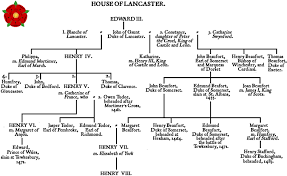
Eps 39: Family Tree Of The House Of Lancaster
— history
The podcast delves into the complex genealogy of the House of Lancaster, starting with its origins in the 13th century when it was established by Edmund Crouchback, the second son of King Henry III. It traces its lineage through significant figures such as John of Gaunt, pivotal in positioning the Lancasters during the late 14th and early 15th centuries. The house's claim to the throne culminated with Henry IV, who usurped Richard II, beginning the Lancastrian rule. The narrative covers the turbulent Wars of the Roses, highlighting the conflict between the Lancasters and the Yorkists. Key figures like Henry V and Henry VI are discussed, noting their contributions and downfalls, respectively. The podcast concludes with the fall of the House of Lancaster after the decisive defeat of Henry VI by Edward IV, leading to the end of Lancastrian dominance.
| Seed data: | Link 1 |
|---|---|
| Host image: | StyleGAN neural net |
| Content creation: | GPT-3.5, |
Host

Valerie Steward
Podcast Content
Henry IV's reign faced numerous challenges, not least of which were revolts from disgruntled nobles and economic turmoil. His son, Henry V, ascended the throne in 1413, bringing a respite from domestic unrest through his military successes, most notably the legendary victory at the Battle of Agincourt in 1415. This triumph solidified his claim and significantly strengthened the Lancastrian position. However, his untimely death in 1422 left his infant son, Henry VI, to inherit the crown, leading to a period of regency and political instability.
Henry VI's reign saw the tumultuous Wars of the Roses, a series of dynastic conflicts that pitted the House of Lancaster against the House of York. The mentally fragile Henry VI struggled with bouts of insanity, which weakened Lancastrian control and invited Yorkist challenge. His marriage to Margaret of Anjou produced a son, Edward of Westminster, but their hopes for a stable Lancaster succession were dashed by defeats on the battlefield.
Edward IV of the House of York eventually captured the throne, leading to Henry VI’s imprisonment and tragic end. Despite brief resurgences, including the temporary readeption of Henry VI in 1470, the Lancastrian cause was ultimately doomed. The death of Henry VI and his son in 1471 marked the end of their direct line.
Though the direct lineage of the original House of Lancaster came to an end, its legacy continued through the Tudors. Henry VII, who defeated Richard III at the Battle of Bosworth Field in 1485, was of Lancastrian descent through his mother, Margaret Beaufort. His ascension ushered in a new era, uniting the warring houses through his marriage to Elizabeth of York and establishing the Tudor dynasty, which brought relative stability after decades of strife. Thus, the legacy of the House of Lancaster persisted, weaving itself into the fabric of English royal history.