Eps 72: Daily Life In The Victorian Era
— history
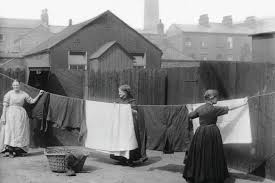
The podcast explores various aspects of daily life in the Victorian Era, highlighting the sharp contrasts between the social classes. The upper class led lives of relative ease with access to education, luxury goods, and elaborate social events, while the working class faced harsh conditions, long hours, and minimal wages. The episode discusses the rigid social hierarchy, the influence of industrialization on employment and urban living conditions, and the roles and expectations of women during that time. The impact of technological advancements on communication and transportation is also covered, providing insight into how these changes affected daily routines and societal structures.
| Seed data: | Link 1 |
|---|---|
| Host image: | StyleGAN neural net |
| Content creation: | GPT-3.5, |
Host

Ronald Lee
Podcast Content
Children from affluent families are often educated at home by governesses or attend private schools, while poorer children might work long hours in harsh conditions, contributing to the family income. Lunch, or 'dinner' as it was often called, is a substantial meal for the rich, accompanied by multiple courses, while the poor make do with simple, often meager fare. The afternoon duties vary vastly between classes: the wealthy might attend social events, shop, or take carriage rides, whereas the working class might slog through their remaining work hours.
Come evening, gaslights illuminate the streets and homes, offering a sense of modernity and safety. The night's entertainment might involve attending the theatre, an opera, or a concert for the upper echelons. For the working class, it could mean gathering at a public house or music hall for socializing and a brief respite from the day's labor. Despite the stark differences in lifestyle, Victorian society shares common ground in its strict adherence to social norms, etiquette, and roles defined by a rigid class system. The end of the day sees the wealthy retreating to plush, elaborate bedrooms often decorated with rich fabrics and heavy draperies, while the poor find rest in cramped, modest quarters, sometimes shared with multiple family members.
The Victorian era, with its sweeping changes brought by the Industrial Revolution, sees a stark dichotomy: a world where progress and poverty go hand in hand, bound by the strict mores of the time. This daily life, whether marked by luxury or labor, weaves the complex tapestry of a bygone era that still fascinates modern minds.