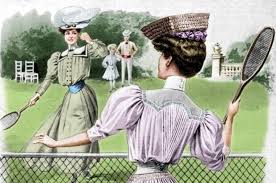
Eps 74: Daily Life In The Edwardian Era
— history
"Daily Life In The Edwardian Era" covers various aspects of everyday existence during this period, marked by social, technological, and cultural changes. Society was highly stratified with a clear division between the wealthy and the working class. The affluent enjoyed lavish lifestyles with grand houses, servants, and regular social events such as balls and tea parties. In contrast, the working class faced long hours in factories or as domestic help, with little leisure time. Technological advancements like the telephone, electricity, and automobiles began to transform daily life, offering new conveniences and altering work and social interactions. Fashion also evolved, with elaborate clothing for the wealthy, while the working class wore simpler, functional attire. Women's roles began to shift, with early movements toward greater independence and suffrage. Children’s education became more emphasized, although it varied greatly by social class. Overall, the era was characterized by both opulence and significant social issues.
| Seed data: | Link 1 |
|---|---|
| Host image: | StyleGAN neural net |
| Content creation: | GPT-3.5, |
Host

Jo Gilbert
Podcast Content
Women's roles were evolving, with the Edwardian era witnessing the rise of the Suffragette movement, advocating for women's rights and the quest for the vote. However, traditional domestic responsibilities still largely defined a woman's day-to-day life. In terms of fashion, Edwardian women embraced the "S-bend" corset that created an exaggerated hourglass figure, while men donned formal morning coats and top hats.
Technological innovations such as the telephone, the automobile, and electricity began to permeate daily activities, transforming communication, travel, and household chores. Urban life buzzed with new forms of entertainment, including the early cinema, music halls, and public parks. In contrast, the rural population remained anchored in agricultural routines, though they too gradually felt the impact of mechanization.
Education was becoming more accessible, and literacy rates were on the rise, paving the way for a more informed public. Children from wealthier families attended prestigious schools, often governed by strict Victorian principles, whereas those from poorer backgrounds contributed to the family income through labor. Health care saw improvements as well, with advancements in medical science and public health initiatives helping to reduce mortality rates.
Meals reflected one's social standing, with the wealthy indulging in elaborate multi-course dinners prepared by household staff, while the working class thrived on simpler, more economical fare. Social norms and etiquette were rigorously upheld, dictating everything from table manners to conversational propriety. Despite the underlying social tensions and the looming shadow of World War I, the Edwardian era is often remembered fondly as a time of elegance, innovation, and transition from the rigidity of the Victorian age to the dynamism of the modern 20th century.