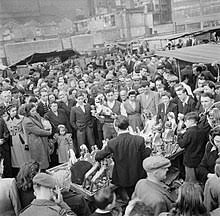
Eps 82: Daily Life In Postwar United Kingdom
— history
The podcast covers the significant changes and challenges faced by the people of the United Kingdom in the postwar era. It highlights the austerity measures that were implemented, including food rationing and restrictions on goods, which persisted for years after the war ended. The housing crisis is discussed, with many families living in temporary accommodations due to bombings and destruction. The establishment of the National Health Service (NHS) is noted as a major development, providing free healthcare to all citizens. The podcast also touches on the cultural shifts, as people adjusted to peacetime life and the economy slowly recovered. Social reforms and the introduction of welfare systems aimed at reducing poverty and improving living standards are also mentioned. Overall, the podcast provides an overview of everyday life and the resilience of the British people during this transformative period.
| Seed data: | Link 1 |
|---|---|
| Host image: | StyleGAN neural net |
| Content creation: | GPT-3.5, |
Host

Lee Franklin
Podcast Content
Housing was a critical issue, as bomb craters and destroyed homes were replaced by new, often prefabricated structures, signaling a move towards modernity and addressing the urgent need for accommodation. The Labor government, under Clement Attlee, nationalized major industries, including coal, steel, and railways, in a bid to rebuild the economy and prevent unemployment. The spirit of collectivism and community self-help remained strong, with victory gardens giving way to community projects and co-operative movements.
Cultural life also saw significant changes, with increased access to higher education, expanding the horizons of the younger generation. The Festival of Britain in 1951 was a public celebration of culture, science, and industry, intended to lift the public's spirit and showcase the nation's resilience and creativity. Families gathered around radios and, increasingly, television sets as broadcasting became a common feature in homes, bringing news, educational programs, and entertainment into people’s living rooms.
The redefinition of gender roles became more prominent; women, who had taken on many roles traditionally held by men during the war, found themselves negotiating a return to domestic life or pushing the boundaries to stay in the workforce. The late 1940s and 1950s also marked the beginning of immigration from the Commonwealth, as people from the Caribbean, India, Pakistan, and elsewhere arrived to help rebuild the nation, bringing with them diverse cultures and laying the groundwork for a more multicultural society.
In public transport, the iconic red London buses and the expansion of the railway network symbolized the modernization of infrastructure. Sports, especially football, regained their place as a central element of British life, symbolizing both community spirit and international competition. In many ways, postwar Britain was a nation determined to learn from the past and forge a new future, balancing the weight of its imperial legacy with the challenges of a modern welfare state.