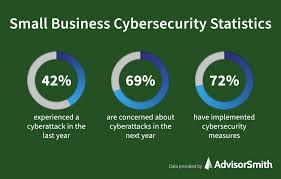
Eps 1: Current cyber threats for small businesses
The podcast discusses the various cyber threats that small businesses are currently facing, including ransomware attacks, phishing scams, and data breaches. It highlights the importance of implementing strong cybersecurity measures such as using firewalls, antivirus software, and employee training to protect against these threats. The podcast also stresses the need for small businesses to regularly update their security measures to stay ahead of evolving cyber threats.
| Seed data: | Link 1 |
|---|---|
| Host image: | StyleGAN neural net |
| Content creation: | GPT-3.5, |
Host

Delores Steeves
Podcast Content
One of the most common cyber threats that small businesses face is phishing attacks. These attacks typically involve fraudulent emails that appear to come from a legitimate source, such as a bank or a vendor, and are designed to trick recipients into revealing sensitive information, such as passwords or financial data. Phishing attacks can also come in the form of fake websites or phone calls, making them difficult to detect. Small businesses are particularly vulnerable to phishing attacks due to their reliance on email communication and the fact that employees may not always be well-versed in spotting suspicious emails.
Another prevalent cyber threat for small businesses is ransomware. This type of malware encrypts files on a victim's computer or network, rendering them inaccessible until a ransom is paid. Ransomware attacks can have devastating consequences for small businesses, resulting in data loss, financial loss, and damage to their reputation. In recent years, ransomware attacks have become more sophisticated and targeted, making it essential for small businesses to have robust cybersecurity measures in place to prevent and mitigate the impact of such attacks.
In addition to phishing attacks and ransomware, small businesses also face threats such as malware, social engineering, and insider threats. Malware is malicious software that can infect computers and networks, compromising data security and disrupting operations. Social engineering involves manipulating individuals into divulging confidential information or taking actions that compromise security. Insider threats, on the other hand, come from within the organization and can involve employees or contractors intentionally or unintentionally causing harm to the business's cybersecurity.
Despite the numerous cyber threats facing small businesses, there are steps that can be taken to enhance cybersecurity and reduce the risk of falling victim to an attack. Implementing strong password policies, using multi-factor authentication, keeping software and systems up to date, and training employees on cybersecurity best practices are all essential measures for safeguarding against cyber threats. Small businesses should also consider investing in cybersecurity tools and services, such as firewalls, antivirus software, and intrusion detection systems, to bolster their defenses.
Furthermore, establishing a cyber incident response plan can help small businesses effectively respond to and recover from a cyber attack. This plan should outline roles and responsibilities, communication procedures, and steps for containing and mitigating the impact of an attack. Regularly testing the incident response plan through simulations and drills can ensure that small businesses are prepared to handle a cyber incident effectively.
In conclusion, small businesses are increasingly at risk of falling victim to cyber threats, which can have severe consequences for their operations and bottom line. By understanding the types of cyber threats they face and taking proactive steps to enhance cybersecurity, small businesses can better protect themselves against attacks. Cybersecurity is not a one-time investment but an ongoing commitment to safeguarding data and maintaining the trust of customers and stakeholders. By staying informed about the latest cyber threats and implementing robust security measures, small businesses can mitigate their risk and operate with confidence in an increasingly digital world.