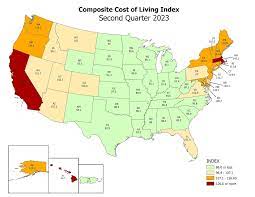
Eps 2156: Cost of Living
— The too lazy to register an account podcast
In the podcast episode "Cost of Living," the speaker discusses the concept of the cost of living and its implications for individuals and society. The cost of living refers to the amount of money needed to sustain a certain standard of living, including expenses for housing, food, transportation, healthcare, and more. The speaker emphasizes that the cost of living is not fixed and can vary significantly based on factors such as geographical location and lifestyle choices. They provide examples of how living in major cities or desirable neighborhoods can result in higher expenses, while rural areas may offer a lower cost of living. The podcast highlights the impact of the cost of living on individuals and families. Increasing costs can lead to financial stress, forcing individuals to make difficult choices regarding their spending and budgeting. Affordability of housing is a major concern, with rising rents and house prices often surpassing income growth. This can result in housing insecurity and hinder people's ability to save or invest in their future. Moreover, the podcast points out that the cost of living affects society as a whole. Higher costs may discourage individuals from pursuing education, entrepreneurship, or professional development opportunities. It can also contribute to income inequality as the rising cost of living disproportionately affects low-income households. The speaker concludes by recommending that individuals carefully consider the cost of living when making decisions about where to live and work. They emphasize the importance of long-term financial planning, including saving for emergencies and retirement. The podcast encourages listeners to engage in discussions about the cost of living with policymakers to promote measures that address these issues and create a more affordable and sustainable society.
| Seed data: | Link 1 |
|---|---|
| Host image: | StyleGAN neural net |
| Content creation: | GPT-3.5, |
Host

Carter Sutton
Podcast Content
Introduction:
Welcome to our podcast series, where we delve into topics that shape our daily lives. In this episode, we will be addressing a topic that affects all of us – the cost of living. As we explore the various facets of this complex issue, we aim to shed light on the challenges individuals face in meeting their expenses in today's ever-changing world. Join us as we discuss the factors driving the cost of living, strategies for managing expenses, and the broader implications for individuals and society.
Factors Driving the Cost of Living:
The cost of living is heavily influenced by factors such as inflation, housing prices, healthcare costs, education expenses, and changing economic conditions. Inflation, in particular, erodes the purchasing power of our income, leading to higher prices for goods and services. We will examine how policymakers and central banks play a crucial role in regulating inflation and maintaining price stability. Additionally, we will explore the impact of housing prices and how they can significantly impact the overall cost of living, especially in urban areas where demand often outstrips supply.
Managing Expenses:
With the rising cost of living, successfully managing expenses requires careful planning and financial discipline. We will discuss practical tips for budgeting, saving, and making informed financial decisions. We will also explore the importance of understanding our spending patterns, differentiating between needs and wants, and exploring avenues for cost-cutting without sacrificing quality of life. By adopting these strategies, individuals can take control of their financial well-being and navigate the challenges of the modern cost of living.
The Psychological Impact:
As the cost of living increases, the psychological impact on individuals cannot be overlooked. Financial stress and anxiety can significantly affect mental health and overall well-being. We will explore the emotional toll that constantly worrying about meeting expenses can have on individuals and their families. In understanding these effects, we can begin to develop strategies for promoting financial literacy, resilience, and support networks for those facing financial strain.
Societal Implications:
The cost of living extends beyond individual experiences, influencing broader societal issues. It can contribute to income inequality, as those on lower incomes struggle to keep up with the rising costs of essentials. We will discuss the implications of a high cost of living on socioeconomic disparities and the potential consequences for social mobility. Governments and policymakers also play a vital role in ensuring that the cost of living remains manageable for their citizens, and we will analyze the policies and initiatives that can help alleviate financial burdens.
The Future of the Cost of Living:
Looking ahead, it is crucial to examine how the cost of living might evolve in the future. We will explore emerging trends such as automation, globalization, and climate change that may impact living costs. We will discuss the potential implications of technology and the gig economy on employment and income stability. By understanding these potential shifts, we can adapt and plan for the uncertainties of the future.
Conclusion:
The cost of living is a complex and ever-present reality in our lives. By understanding the factors driving its rise, adopting effective financial management strategies, and recognizing its broader implications, we can equip ourselves with the knowledge to navigate this financial landscape successfully. As we conclude this podcast episode, we hope to have provided valuable insights into the world of the cost of living and empowered our listeners to make informed decisions on their journey towards financial security.