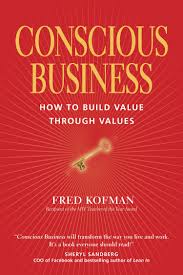
Eps 1: Conscious Business
Though conscious businesses will be socially responsible, the term "conscious business" holds larger connotations for the businesses' actions than does social responsibility.
Many believe that Anita Roddick pioneered the conscious business movement with her company, The Body Shop in 1976.
The alternative view is that the practice of conscious business aims to raise awareness of the hurly-burly of everyday life and help people notice those assumptions that influence our perceptions and practice - to become more aware.
Host

Corey Hopkins
Podcast Content
In today's fast-paced and competitive business environment, it can be easy for companies to lose sight of their social and environmental responsibilities in the pursuit of profit. However, more and more businesses are realizing that a focus on sustainability and ethical practices not only benefits the world around us but also contributes to long-term success.
One of the key principles of conscious business is the idea of stakeholder capitalism, which prioritizes the well-being of all stakeholders, including employees, customers, suppliers, and communities, rather than just shareholders. By considering the needs and concerns of all stakeholders, companies can build stronger relationships and create more sustainable business practices.
Another important aspect of conscious business is environmental sustainability. As climate change becomes an increasingly pressing issue, businesses are under growing pressure to reduce their carbon footprint and adopt more environmentally friendly practices. This can involve everything from sourcing materials responsibly to investing in renewable energy sources.
In addition to social and environmental responsibility, conscious businesses also prioritize ethical practices in all aspects of their operations. This can include treating employees fairly, ensuring diversity and inclusion in the workplace, and engaging in transparent and honest communication with all stakeholders.
But being a conscious business is not just about doing the right thing - it's also about reaping the benefits of these practices. Studies have shown that companies that focus on sustainability and ethical practices tend to have better financial performance, higher employee engagement, and stronger brand reputation. Customers are increasingly looking to support businesses that share their values, and conscious businesses are well-positioned to attract and retain these customers.
So how can businesses transition to a more conscious model? It starts with leadership commitment and a clear vision for the future. Companies must be willing to invest in sustainable practices, engage with stakeholders, and continually assess and improve their impact on society and the environment. This may involve making changes to existing business practices, investing in new technologies, and educating employees on the importance of consciousness in business.
In today's podcast, we will hear from industry experts, business leaders, and academics who will share their insights and experiences on the topic of conscious business. We will explore case studies of companies that have successfully implemented conscious business practices, discuss the challenges and opportunities of this approach, and provide practical tips for companies looking to make the transition.
By the end of this podcast, we hope to inspire our listeners to think differently about how they run their businesses and encourage them to embrace a more conscious and sustainable approach. Together, we can create a business world that not only thrives financially but also makes a positive impact on society and the environment. Thank you for joining us, and let's dive into the world of conscious business.