Eps 2: Concubines Who Became Empresses
— History
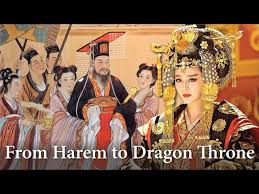
The podcast discusses the stories of concubines who rose to become empresses, highlighting their remarkable journeys and the challenges they faced. It delves into historical contexts, illustrating how these women navigated complex court politics, overcame rivals, and leveraged their intelligence and charm to ascend to power. The narrative emphasizes their strategic marriages, alliances, and often their wit and resilience in securing their position as empresses. The episodes showcase notable examples from various dynasties, offering a glimpse into the personal and political dynamics of royal courts.
| Seed data: | Link 1 |
|---|---|
| Host image: | StyleGAN neural net |
| Content creation: | GPT-3.5, |
Host

Ken Robinson
Podcast Content
Similarly compelling is the saga of Theodora of the Byzantine Empire. Initially an actress and concubine, Theodora captured the heart of the future Emperor Justinian. Her rise from the lower echelons of society to empress was nothing short of extraordinary. As empress, she became a formidable and influential leader, championing women's rights and spearheading numerous social and legal reforms. Her intellect and determination ensured she played a pivotal role in governance, shaping the Byzantine Empire's legacy.
Another intriguing figure is Roxelana, a concubine who became the wife of Suleiman the Magnificent, the Sultan of the Ottoman Empire. Known in history as Hürrem Sultan, she broke away from tradition by bearing legitimate heirs to the throne and wielding significant political influence. Through her astute maneuvering and unwavering support of her husband, Roxelana not only earned Suleiman's unwavering affection but also navigated the treacherous politics of the Ottoman court to become an essential partner in his rule.
These remarkable women, and others like them, embraced their roles and transcended the limitations imposed upon them by their initial status as concubines. They leveraged their intelligence, charisma, and political savvy to carve out extraordinary destinies. Their journeys from concubines to empresses serve not just as historical accounts of personal triumphs but as powerful narratives that continue to resonate, showcasing the indomitable spirit of women throughout the ages. Each of these stories offers a unique lens through which we can appreciate the complexities of power, ambition, and resilience in a world that was often dominated by men.