Eps 1: climate change and its effects
— climate change and its effect
The podcast discusses the accelerating impacts of climate change on various aspects of the environment and human society. Extreme weather events like hurricanes, heatwaves, and floods are becoming more frequent and severe. Melting polar ice caps and glaciers are contributing to rising sea levels, which threaten coastal communities. The podcast highlights the biodiversity loss as many species struggle to adapt quickly enough to changing conditions, leading to extinctions. It also touches on the economic implications, such as damage to infrastructure and agriculture, which could exacerbate food shortages and reduce economic stability. The conversation emphasizes the urgency of global cooperation and decisive action to mitigate these effects through policies aimed at reducing greenhouse gas emissions and promoting sustainable practices.
| Seed data: | Link 1 |
|---|---|
| Host image: | StyleGAN neural net |
| Content creation: | GPT-3.5, |
Host

Alex Lynch
Podcast Content
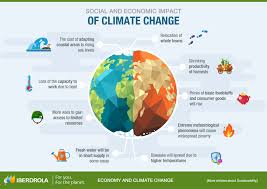
Moreover, climate change impacts biodiversity. Many species are struggling to adapt to the rapidly changing conditions, leading to shifts in ecosystems or, in extreme cases, extinction. Coral reefs, for instance, are highly susceptible to changes in water temperature and acidity, leading to widespread coral bleaching. In agriculture, altered weather patterns and unpredictable precipitation are challenging food production, threatening food security globally. Farmers face the double-edged sword of droughts and floods, which can devastate crops and livestock.
Human health is another critical area affected by climate change. The increased frequency of heatwaves contributes to heat-related illnesses and deaths. Additionally, the spread of diseases is influenced as warmer temperatures expand the habitat range of many vectors, like mosquitoes that carry malaria and dengue fever. Air quality is also deteriorating due to higher levels of pollen, ground-level ozone, and wildfires, exacerbating respiratory conditions such as asthma.
Economic impacts are inevitable. The cost of disaster relief and rebuilding after extreme weather events is rising, putting a strain on both public and private resources. Entire industries, such as agriculture, fisheries, and tourism, face disruptions that can lead to job losses and economic instability for communities reliant on these sectors. The insurance industry is also feeling the strain, with increased claims related to weather-related damages leading to higher premiums and reduced coverage options.
Socially, climate change is a driver for migration and conflict. Populations living in vulnerable areas, such as small island nations and low-lying coastal regions, are faced with the prospect of becoming climate refugees as their homes become uninhabitable. Resource scarcity, fueled by changing weather patterns and natural disasters, can exacerbate tensions and lead to conflicts over water, food, and living space.
Addressing climate change requires a multifaceted approach. It involves international cooperation to reduce greenhouse gas emissions and transition to sustainable energy sources like wind, solar, and hydroelectric power. Innovations in technology and changes in consumption patterns are essential to reducing our carbon footprint. Conservation efforts, such as reforestation and protecting natural habitats, play a crucial role in maintaining the ecological balance. Public awareness and education are pivotal in driving the collective action needed to mitigate the effects of climate change.
In conclusion, the effects of climate change are far-reaching, influencing every aspect of our world from the environment and biodiversity to human health and the economy. It is a global challenge that demands immediate and sustained action from every sector of society. By understanding and addressing these impacts, we can work towards a more resilient and sustainable future.