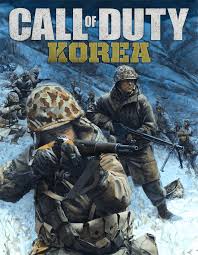
Eps 31: Call of duty Korean War concept
— Idea and project and concept
The podcast explores the concept of a Call of Duty game set during the Korean War. It delves into the historical significance of the Korean War, highlighting its potential for rich storytelling and unique gameplay mechanics. The discussion covers the potential for diverse and rugged terrains, varied combat scenarios, and the inclusion of lesser-known battles. The hosts suggest that the game could introduce new weapons and tactics reflective of the era. They also talk about the potential for a compelling narrative, featuring both American and Korean perspectives, which could add depth and authenticity to the game. The idea is presented as a way to refresh the Call of Duty series by exploring an underrepresented historical conflict.
| Seed data: | Link 1 |
|---|---|
| Host image: | StyleGAN neural net |
| Content creation: | GPT-3.5, |
Host

Carter Sutton
Podcast Content
Especial attention could be paid to the game's environmental design, reflecting the harsh winters and rugged terrains that soldiers had to endure, adding a survival element to the gameplay. The single-player campaign could weave intricate narratives involving various international actors, from American and South Korean troops to the Soviet advisers and Chinese volunteers, depicting how global policies played out in local skirmishes. The inclusion of famous historical figures as both allies and adversaries would provide rich storytelling opportunities, making the storylines personal and emotional.
Multiplayer modes could also offer unique dynamics, from trench warfare and tank battles to aerial dogfights with vintage MiGs and F-86 Sabres. There could be specialized roles, such as medics dealing with frostbite or engineers constructing makeshift bridges over frozen rivers, adding layers of strategy and cooperation.
Moreover, a "Call of Duty: Korean War" would be incomplete without delving into the human aspect of the conflict—the harrowing experiences of civilians caught in the crossfire and the psychological toll on soldiers. Cut-scenes and in-game missions might focus on refugees fleeing from the North, prisoners of war, or even the efforts of war correspondents and medics, giving a 360-degree view of the toll of war. This aspect could be accentuated by collecting diaries, letters, and photos as in-game artifacts, providing an emotional depth to the wartime narrative.
To enhance the authenticity, the game could feature period-accurate weapons, vehicles, and uniforms, and perhaps even use original documentary footage or newsreels. There could be an emphasis on tactical gameplay, requiring players to navigate not just the enemy but also the severe weather conditions and supply shortages. Incorporating mission debriefings and intelligence reports could also help players feel immersed in the broader strategic decisions that shaped the course of the war.
In sum, "Call of Duty: Korean War" offers the potential for a rich and compelling game experience, illuminating a critical historical period with the franchise's hallmark intensity and detail. It's a concept that not only entertains but educates, bringing the often overlooked yet crucial Korean War to the forefront of global consciousness.