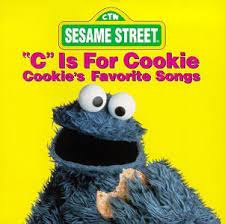
Eps 1: C is for Cookie
In the 10-minute podcast titled "C is for Cookie," the host talks about the origins and evolution of cookies. Cookies are traced back to ancient Persia, but they didn't become popular in Europe until the 15th and 16th centuries. They were often made by nuns and considered a treat for special occasions. During the industrial revolution, the mass production of cookies began, making them more readily available to the general public. The first chocolate chip cookie was created in the 1930s by Ruth Wakefield, who added broken pieces of Nestle chocolate to her cookie dough. The podcast also covers the importance of cookies in American culture, particularly with the popular children's television show Sesame Street. The show's famous character, Cookie Monster, sings about his love for cookies, and the show often uses cookies as a tool for teaching children about counting and patterns. Overall, the podcast highlights how cookies have evolved from a luxury item to a popular snack enjoyed by people of all ages.
| Seed data: | Link 1 |
|---|---|
| Host image: | StyleGAN neural net |
| Content creation: | GPT-3.5, |
Host

Sophia Fletcher
Podcast Content
First, let's talk about the history of cookies. Cookies can be traced back to 7th century AD Persia, where they were originally made with oil, sugar, and flour. By the 14th century, cookies had made their way to Europe, where the addition of butter and eggs gave them a lighter, more delicate texture. It wasn't until the 18th century that cookies became popular in the United States, where they were often served with tea.
Fast forward to today, and the humble cookie has become a versatile and beloved dessert. From classic chocolate chip to trendy matcha-infused varieties, there's a cookie for every taste and occasion.
But what makes a good cookie? According to pastry chef and author Dorie Greenspan, it's all about balance. A good cookie should have a balance of sweet and salty, soft and crispy, and chewy and crunchy. It should also have a distinct flavor profile that keeps you coming back for more.
The science of baking cookies is a delicate balance as well. The type and amount of flour, sugar, and fat used can greatly affect the texture and flavor of the final product. For example, using bread flour instead of all-purpose flour can give cookies a chewier texture, while using brown sugar instead of white sugar can add a caramel-like flavor.
Of course, no discussion about cookies would be complete without mentioning some of the most iconic brands and recipes. The classic Toll House chocolate chip cookie recipe, created by Ruth Wakefield in the 1930s, is still a favorite today. Other iconic cookies include Oreos, Girl Scout Thin Mints, and Pepperidge Farm Milanos.
But while we may love these classic cookies, it's always fun to try something new. The world of cookie innovation is constantly evolving, with new flavors and ingredients being added all the time. Some of the current trends include cookies made with alternative flours like almond and coconut, as well as savory cookies that incorporate herbs and spices.
So whether you prefer old-fashioned chocolate chip or are always on the lookout for the latest flavor sensation, one thing is for sure: cookies will always have a special place in our hearts (and our stomachs). Thanks for joining us on "C is for Cookie." Until next time, happy baking!