Eps 68: Biography Of Victoria Princess German Empress
— History
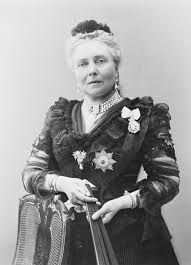
Victoria, Princess German Empress, was the eldest daughter of Queen Victoria and Prince Albert. Born on November 21, 1840, she was groomed for a prominent role in European politics. At 17, she married Prince Frederick of Prussia, who later became the German Emperor Frederick III. Victoria was intelligent, liberal-minded, and deeply influenced by her parents' progressive ideas. She aimed to bring liberal reforms to Germany but faced opposition from the conservative Prussian court. Her husband’s brief 99-day reign in 1888, due to terminal illness, limited her influence. Victoria’s progressive ideology often put her at odds with her son, Kaiser Wilhelm II, whose militaristic and conservative policies contrasted sharply with her own beliefs. She spent her later years advocating for education and welfare until her death on August 5, 1901. Her legacy remains mixed, celebrated for her intellect and vision but constrained by the political dynamics of her time.
| Seed data: | Link 1 |
|---|---|
| Host image: | StyleGAN neural net |
| Content creation: | GPT-3.5, |
Host

Valerie Steward
Podcast Content
However, her tenure was tragically short-lived; Frederick III's reign lasted only 99 days, ending with his death from throat cancer. This brief period saw Vicky striving to implement her progressive ideals, promoting education, and striving for greater political freedoms within the rigid Prussian system. Despite this, she often faced resistance from the conservative Prussian court and the new Emperor, her son Wilhelm II, whose autocratic tendencies were at odds with her liberal principles. Victoria's relationship with Wilhelm II was fraught with tension, partly due to their clashing ideologies and partly due to misunderstandings and personal grievances.
After her husband's death, Victoria was known as the Empress Frederick and lived a relatively secluded life at Friedrichshof, a castle she had built near Frankfurt. There she devoted her time to arts, letters, and charitable works until her own death from breast cancer on August 5, 1901. Her life was a tumultuous blend of personal sorrows and political challenges, yet she remains a significant historical figure. Her efforts to promote liberalism within the German Empire were a testament to her strong will and dedication to her beliefs, even in the face of overwhelming opposition.