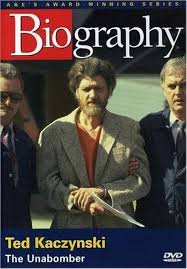
Eps 97: Biography Of Theodore J Kaczynski
Theodore J Kaczynski, also known as the Unabomber, was a mathematician turned domestic terrorist. Born in 1942, he was a child prodigy, excelling academically and entering Harvard at 16. Despite his promising future, Kaczynski increasingly became disillusioned with modern technology and its impact on human freedom. This led him to retreat to a remote cabin in Montana, where he lived in isolation and developed his anti-technology manifesto. From 1978 to 1995, Kaczynski carried out a nationwide bombing campaign, targeting people involved with modern technology. His actions resulted in three deaths and numerous injuries. After lengthy investigations, Kaczynski was captured in 1996 following his brother's recognition of his writing style in the published manifesto and alerting authorities. Kaczynski was sentenced to life imprisonment without the possibility of parole.
| Seed data: | Link 1 |
|---|---|
| Host image: | StyleGAN neural net |
| Content creation: | GPT-3.5, |
Host

Gail Sullivan
Podcast Content
After earning his Ph.D. from the University of Michigan, Kaczynski began an academic career at the University of California, Berkeley. However, his tenure was brief, and in 1969, he abruptly resigned. Dissatisfied with the pressures and trajectory of modern technology and industrial society, Kaczynski sought solace in a remote cabin in Montana. It was here, devoid of electricity and running water, that Kaczynski began to formulate his radical ideas about the dehumanizing effects of technology on society.
Between 1978 and 1995, Kaczynski waged a solitary campaign against the advancement of technology by sending homemade bombs to various targets, including universities, airlines, and individuals he believed were advancing modern technology. This campaign resulted in three deaths and numerous injuries, causing widespread fear and consternation. The media dubbed him the "Unabomber," a name derived from “UNiversity and Airline BOMber.”
Kaczynski's manifesto, titled "Industrial Society and Its Future," was a lengthy critique of modern industrial civilization. In 1995, he convinced the media to publish his manifesto by promising to cease his bombings if they complied. The manifesto vehemently argued that technological advancements inevitably lead to a loss of human freedom and a degradation of the environment. The publication of this manifesto eventually led to his capture, as Kaczynski’s brother, David, recognized the language and philosophical musings characteristic of Theodore's earlier writings and alerted the FBI.
On April 3, 1996, Kaczynski was arrested at his cabin. He later pled guilty to his crimes in 1998, avoiding the death penalty, and was sentenced to life imprisonment without the possibility of parole. To this day, Theodore Kaczynski remains a figure of deep controversy—a brilliant mind ensnared by extremist views and violent actions. His story serves as a stark reminder of the destructive potential of alienation and radical ideology, even when couched in the language of intellectual critique.