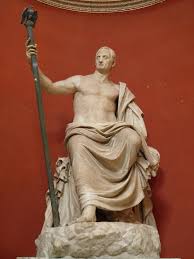
Eps 130: Biography Of Roman Emperor Galba
— History
Roman Emperor Galba, born Servius Sulpicius Galba on December 24, 3 BC, was known for his austere and disciplined nature. He ascended to power during the turbulent Year of the Four Emperors following Nero's suicide in 68 AD. Galba had a long military career and was known for his strictness and traditionalism. His rule was marked by attempts to restore discipline and traditional Roman values but he quickly fell out of favor due to his harsh financial policies and failure to reward his supporters appropriately. His unpopularity was exacerbated by his decision to adopt Lucius Calpurnius Piso as his successor, which angered Otho, a nobleman with ambitions of his own. Galba's reign was short-lived; he was emperor for only seven months. In January 69 AD, he was assassinated by supporters of Otho, paving the way for Otho's brief reign. Despite his short and troubled tenure, Galba's rule is often seen as a rigid attempt to restore order in a declining empire.
| Seed data: | Link 1 |
|---|---|
| Host image: | StyleGAN neural net |
| Content creation: | GPT-3.5, |
Host

Miriam Lucas
Podcast Content
Galba's rise to power came during the chaotic Year of the Four Emperors, following Nero's suicide in 68 AD. The failing of Nero's administration triggered a revolt, and Galba, then the governor of Hispania Tarraconensis, emerged as a leading figure among those opposing Nero’s rule. With the support of the Praetorian Guard and the Senate, he marched on Rome, promising to restore the Republic and institute moral reforms. However, Galba's reign was marred by his harshness and the alienation of key factions within the empire.
His attempts to impose austerity and punish corruption led to discontent among the soldiers and political elite. His decision to execute several high-ranking officials and withhold promised rewards to the Praetorian Guard exacerbated his unpopularity. Additionally, his age and perceived rigidity contributed to growing unease about his capacity to rule effectively. The final blow came from his own mistakes in political maneuvering; when faced with opposition from Otho, a former ally who sought the throne for himself, Galba's indecisiveness proved fatal.
On January 15, 69 AD, Otho’s supporters assassinated Galba in the Roman Forum, marking a violent end to his short-lived reign. Despite his initial intentions to lead with integrity, Galba’s inability to balance Rome’s complex political landscape and the pressures from various factions underscored the challenges of governance during this turbulent period. His assassination and the rapid political turnover that followed highlighted the instability that would continue to plague the Roman Empire during the successive reigns in the Year of the Four Emperors.