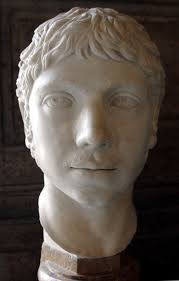
Eps 133: Biography Of Roman Emperor Elagablus
— History
The biography of Roman Emperor Elagabalus outlines his controversial and unconventional reign. Elagabalus, born Varius Avitus Bassianus, became emperor at a young age and was known for his extreme eccentricities and disregard for Roman traditions. His reign, from 218 to 222 AD, was marked by religious fanaticism as he tried to replace the traditional Roman pantheon with the worship of the Syrian sun god Elagabal. Elagabalus scandalized Rome with his decadent lifestyle, including cross-dressing and multiple marriages, which provoked strong opposition from the Senate and the Roman populace. His reign ended abruptly when he and his mother were assassinated by the Praetorian Guard, leading to the ascension of his cousin, Severus Alexander.
| Seed data: | Link 1 |
|---|---|
| Host image: | StyleGAN neural net |
| Content creation: | GPT-3.5, |
Host

Madison Walker
Podcast Content
His four-year reign was characterized by unabashed personal excesses and eccentricities that outraged the Roman elite and populace alike. Known for his lavish banquets, decadent lifestyle, and unorthodox personal conduct, Elagabalus is often remembered for his extreme behaviors that clashed sharply with Roman societal norms. Marrying and divorcing multiple times, he defied conventional gender roles by donning women's clothing and famously offering vast sums to any physician who could transform him into a woman. This flamboyant disregard for Roman traditions and his overt favoritism toward his native religion created a volatile atmosphere, leading to widespread discontent among the military and political establishments.
Moreover, his administrative duties were often neglected, and political bribery became rampant within his court, further stoking the fires of resentment. The Praetorian Guard, initially instrumental in his rise to power, grew increasingly disillusioned with his erratic rule. This mounting discontent culminated in a conspiracy led by his own grandmother, Julia Maesa, and cousin Alexander Severus, aimed at replacing him. In 222 AD, at the age of just eighteen, Elagabalus and his mother were assassinated by the Praetorian Guard, bringing an abrupt and violent end to one of the most sensational and controversial reigns in Roman history. His body was desecrated and thrown into the Tiber River, a grim testament to the disdain in which he was held by the very people he once ruled. Despite his brief and tumultuous tenure, Elagabalus remains a vivid illustration of how personal eccentricities and religious radicalism can utterly reshape—and ultimately doom—a leader's legacy.