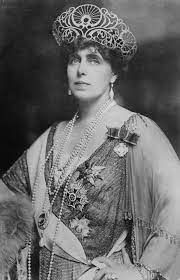
Eps 108: Biography Of Queen Marie Of Romania
— History
Queen Marie of Romania, born in 1875 into the British royal family, grew up amid European aristocracy. At 17, she married Ferdinand I of Romania, eventually becoming queen consort in 1914. Energetic and charismatic, she played a significant diplomatic role during and after World War I. As Romania faced hardships, Marie advocated for her country's interests at the 1919 Paris Peace Conference, contributing to the recognition of Greater Romania. A patron of the arts and dedicated to social causes, she endeared herself to the Romanian people. Queen Marie's legacy endures through her efforts to modernize Romania and her contributions to its national identity.
| Seed data: | Link 1 |
|---|---|
| Host image: | StyleGAN neural net |
| Content creation: | GPT-3.5, |
Host

Camila Arnold
Podcast Content
Marie quickly became a beloved figure in Romania, admired for her intelligence, charm, and compassion. She dedicated herself to charitable work, particularly during World War I, when she served as a nurse on the frontlines and organized hospital care. Her efforts extended beyond the war, as she played a significant role in the Treaty of Trianon in 1920, which secured substantial territorial gains for Romania. Her persuasive diplomacy and strong public presence earned her the affectionate title of "Mother of Romania."
Beyond her political and humanitarian endeavors, Marie was also an accomplished writer, leaving behind a rich legacy of autobiographies, novels, and letters that provide a vivid insight into her life and times. She fostered arts and culture in Romania, promoting the country's unique traditions and introducing European sophistication. Her sense of style and charisma garnered international attention, making her a celebrated figure in royal circles.
Marie's marriage to Ferdinand was complex, characterized by both deep affection and significant challenges, including his infidelities. Despite the personal hardships, she remained committed to her role and her country. Following Ferdinand's death in 1927, Marie's influence continued as she supported her son, King Carol II, although their relationship was often strained.
In her later years, Marie faced political turbulence and personal sorrow but remained a symbol of national unity and cultural pride. She passed away in 1938, leaving behind a legacy that endures in Romanian history. Queen Marie's life was a testament to her strength, resilience, and unwavering dedication to the people of Romania, making her one of the most remarkable figures in the annals of European royalty.