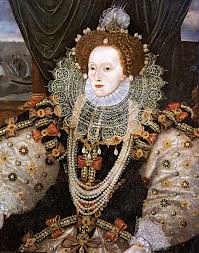
Eps 54: Biography Of Queen Elizabeth The First Of England
— history
Queen Elizabeth I, born in 1533 to Henry VIII and Anne Boleyn, ascended to the throne in 1558 following her half-sister Mary I's death. Her reign, known as the Elizabethan Era, was marked by the flourishing of English drama, led by playwrights such as William Shakespeare and Christopher Marlowe, and the advent of English maritime expansion. Elizabeth skillfully navigated the complex religious landscape by establishing the Protestant Church of England. She faced numerous challenges, including the Spanish Armada, which she defeated in 1588, securing her legacy as a formidable ruler. Known as the "Virgin Queen" due to her choice to remain unmarried, her rule brought stability and prosperity, ending with her death in 1603.
| Seed data: | Link 1 |
|---|---|
| Host image: | StyleGAN neural net |
| Content creation: | GPT-3.5, |
Host

Arthur Taylor
Podcast Content
Elizabeth's leadership was characterized by her astute political acumen and dedication to her country. She skillfully navigated the complex religious landscapes of her time, endorsing Protestantism while adopting policies of relative religious tolerance. Her defeat of the Spanish Armada in 1588 stands as one of her most celebrated accomplishments, symbolizing England's emergence as a global naval power. Despite numerous marriage proposals and political pressures, Elizabeth chose to remain unmarried, earning her the nickname "The Virgin Queen." Her ability to maintain a delicate balance of power and her unwavering commitment to her subjects secured her legacy as a formidable and beloved ruler. Elizabeth's reign transformed England, laying the foundations for its future as a major European power and leaving an indelible mark on the course of history.