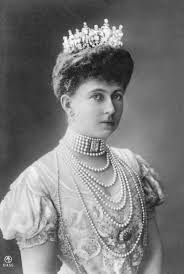
Eps 93: Biography Of Princess Sophia Of Prussia And Queen Of Greece
— History
Princess Sophia of Prussia was born into the German royal family and married Constantine I, becoming the Queen of Greece. Her life was marked by significant political turbulence, especially during World War I and the Greco-Turkish War. Despite her royal status, Sophia faced numerous challenges, including her husband’s abdication and their subsequent exile. Her contributions to Greek society included promoting social welfare and supporting the war effort. Princess Sophia’s life reflects the complexities of European monarchy in the early 20th century, with personal sacrifices overshadowed by national and international conflicts.
| Seed data: | Link 1 |
|---|---|
| Host image: | StyleGAN neural net |
| Content creation: | GPT-3.5, |
Host

Ray Hall
Podcast Content
In 1889, at the age of 19, Sophia married Crown Prince Constantine of Greece, a union that signaled a strong alliance between Germany and Greece. As Crown Princess, Sophia confronted the complex politics of a burgeoning Greece, a nation seeking stability and identity in the late 19th and early 20th centuries. Her conversion to Greek Orthodoxy from the Lutheran faith she was raised in marked her deep commitment to her adopted country, despite initial controversy and resistance.
Sophia's tenure as Queen Consort began in 1913 when Constantine ascended to the throne following the assassination of his father, King George I. Her reign was marred by World War I and the Greco-Turkish War, which saw Greece face significant turmoil and conflict. Despite these challenges, Sophia was noted for her dedication to humanitarian efforts, particularly her work in health care and support for the Greek Red Cross. Her social initiatives aimed at improving the lives of the Greek people, reflecting her sense of duty and compassion.
Political upheaval, however, was a constant shadow. The royal family's position was destabilized by Greece's shifting allegiances during the Great War and the subsequent National Schism between monarchists and Venizelists, supporters of Prime Minister Eleftherios Venizelos. Constantine's eventual exile and brief restoration as king was a tumultuous period for Sophia, marked by personal and national crises. Her efforts to support her husband and maintain the monarchy's influence in an increasingly republican-leaning nation speak to her resilience and adaptability.
Following Constantine's final abdication in 1922, the royal family went into exile once more, and Sophia spent her remaining years in a quieter, though no less dignified, existence. She returned to Germany, where she lived until her death in 1932. Princess Sophia's life was emblematic of the intersecting pressures of royal duty, national identity, and personal conviction in an era of significant change. Her legacy in Greece, though overshadowed by political strife, remains one of steadfast service and dedication to her people.