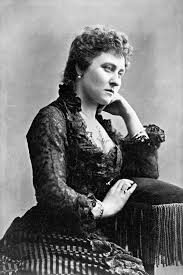
Eps 71: Biography Of Princess Louise Of The United Kingdom And Duchess Of Argyll
— History
Princess Louise of the United Kingdom was born on March 18, 1848, as the sixth child of Queen Victoria and Prince Albert. She was known for her strong personality and defied many of the era’s social conventions. An accomplished artist and sculptor, she studied at the National Art Training School and worked under important artists of her time. She married John Campbell, the 9th Duke of Argyll, in 1871, which allowed her to live a relatively more private life but also offered a platform for her philanthropic endeavors. The couple had no children, but their marriage was noted for its companionship. Louise supported women's education and social reforms, aligning herself with progressive ideas. Until her death on December 3, 1939, she remained an influential figure in the British royal family, balancing her duties with her personal passions and contributions to the arts and social causes.
| Seed data: | Link 1 |
|---|---|
| Host image: | StyleGAN neural net |
| Content creation: | GPT-3.5, |
Host

Franklin Steward
Podcast Content
In 1871, Louise married John Campbell, the Marquess of Lorne and later the 9th Duke of Argyll, a union that was partially controversial due to his status as a commoner. Their marriage, which lasted until her husband's death in 1914, had its challenges, but it allowed Louise to support and influence his political career while pursuing her philanthropic interests. Together, they traveled extensively, living in Canada during John's tenure as Governor General from 1878 to 1883, where Louise's compassionate efforts helped shape the cultural and social landscape of the country.
Princess Louise's later years were marked by continued artistic achievement and public service. Her progressive ideologies continued to influence her social work, particularly in fields like healthcare, education, and women's suffrage. Upon her death in 1939, Princess Louise left behind a lasting legacy of artistic excellence and social reform. Her life was emblematic of the Victorian era's complexities, embodying a blend of traditional royal duties and an unyielding push for modernity and progress. The Duchess of Argyll remains a fascinating figure in British history, celebrated not just for her royal heritage but for her contributions to art and social justice.