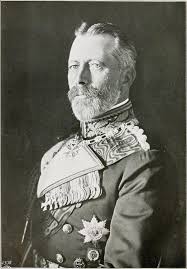
Eps 88: Biography Of Prince Henry Of Prussia (1862-1929)
— History
Prince Henry of Prussia, born in 1862, was the younger brother of Kaiser Wilhelm II and played a significant role in the Imperial German Navy. He received military training and quickly rose through the ranks, becoming a respected naval officer. Prince Henry's career was marked by his involvement in fleet exercises and diplomatic missions, contributing to Germany's naval expansion and fostering international relations. He commanded various naval units, including the battleship squadron and the Baltic Sea naval forces. Henry also had a keen interest in aviation and supported early German aviation efforts. During World War I, he served in command roles, though the German navy's limited success did not mirror his earlier accomplishments. After the war and the fall of the monarchy, Henry lived a quieter life until his death in 1929. He is remembered for his naval leadership and commitment to advancing Germany's naval power.
| Seed data: | Link 1 |
|---|---|
| Host image: | StyleGAN neural net |
| Content creation: | GPT-3.5, |
Host

Ronald Lee
Podcast Content
Henry's naval career was marked by various commanding roles, including his tenure as the inspector general of the Imperial Navy. His contributions significantly influenced the expansion and modernization of the German fleet, aligning with his brother's ambitions for a formidable naval presence. Beyond his military endeavors, Prince Henry successfully navigated diplomatic waters, fostering relations with Britain and other European powers. His visits to the United States as part of goodwill missions further cemented his role as a key diplomatic player, earning him esteem abroad.
Despite his professional accomplishments, Henry's life was also defined by deep loyalty to his family, including a devoted marriage to Princess Irene of Hesse and by Rhine, with whom he had three sons. The outbreak of World War I marked a turbulent period, with the German naval strategies, to which Henry had dedicated much of his life, coming under intense scrutiny and challenge. Nonetheless, his leadership and vision remained influential, even as the tides of war shifted.
Post-war Germany saw the dismantling of the German Empire, yet Henry’s legacy persisted, particularly within naval circles and among those who appreciated his diplomatic acumen. Reflecting on Prince Henry’s contributions extends beyond mere biographical interest; it offers insights into the broader strategies and political climates of his era. The noble efforts and the trials he faced encapsulate the complexities of a transformative period in European history. Prince Henry of Prussia passed away on April 20, 1929, leaving behind a legacy interwoven with both the triumphs and tribulations of the German maritime tradition and aristocratic diplomacy.