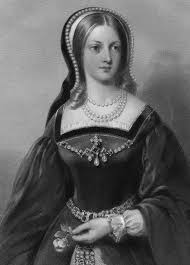
Eps 52: Biography Of Lady Jane Grey
— history
Lady Jane Grey, often known as the "Nine Days' Queen," was an English noblewoman who ruled as queen for a brief period in July 1553. Born in 1537, she was the great-granddaughter of Henry VII and was highly educated, fluent in multiple languages and knowledgeable in classical studies. Her reign was a result of her cousin, King Edward VI, anointing her as his successor in an attempt to keep England Protestant and to prevent his half-sister Mary, a Catholic, from ascending the throne. Jane was reluctantly placed on the throne by her father-in-law, the Duke of Northumberland, but her claim was quickly challenged. Mary Tudor successfully deposed Jane, leading to her arrest and imprisonment in the Tower of London. Despite initial hope for clemency, Jane was executed in February 1554 at the age of 16 or 17. Her short life and tragic fate have left a lasting impression on British history.
| Seed data: | Link 1 |
|---|---|
| Host image: | StyleGAN neural net |
| Content creation: | GPT-3.5, |
Host

Sonia Duncan
Podcast Content
In 1553, the young Edward VI, King of England and a fervent Protestant, lay dying. To prevent his Catholic half-sister Mary from ascending the throne, Edward named his Protestant cousin Jane as his successor in a last-minute alteration of the line of succession. At just 16 years old, Jane reluctantly accepted the crown on July 10, 1553, becoming the Queen of England. However, her reign was short-lived. Mary Tudor, gathering substantial support, marched into London with a determined army. Jane, who never sought the throne, found her brief tenure as queen ended when she was deposed on July 19, 1553.
Imprisoned in the Tower of London, Jane became a political pawn in the struggle between Protestantism and Catholicism. Initially, it seemed she might be spared; Mary's early treatment of her was lenient. However, following Wyatt's Rebellion in early 1554—a Protestant uprising ostensibly in Jane's name—Mary felt compelled to execute Jane to quell any further insurrectionary hopes. On February 12, 1554, Lady Jane Grey was executed, just 17 years old. Standing on the scaffold, she gave a composed, dignified speech, professing her Protestant faith and loyalty to her principles to the very end.
Jane's life, though tragically short, is a compelling tale of youthful brilliance, political maneuvering, tragic duty, and the harsh realities of monarchical power struggles. Her story endures in history as a symbol of innocence subsumed by the volatile currents of political and religious upheaval.