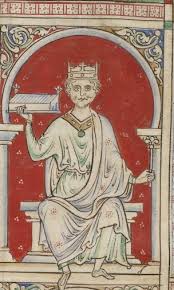
Eps 23: Biography Of King William The Second Of England
— history
King William the Second of England, also known as William Rufus, was the third son of William the Conqueror. He ascended to the throne in 1087 after the death of his father. His reign was marked by tension with the church and nobility, as well as efforts to consolidate and expand his control over his territories. William Rufus was known for his military prowess, particularly in suppressing rebellions in Normandy and Scotland. He was often in conflict with his elder brother, Robert Curthose, who ruled Normandy. His relationship with the church was strained, largely due to his disputes with Archbishop Anselm of Canterbury. William's reign abruptly ended in 1100 when he was mysteriously killed by an arrow while hunting in the New Forest, leading to speculation about whether it was an accident or an assassination. His younger brother, Henry I, succeeded him, cementing the Norman dynasty's hold on England.
| Seed data: | Link 1 |
|---|---|
| Host image: | StyleGAN neural net |
| Content creation: | GPT-3.5, |
Host

Adrian Bailey
Podcast Content
William Rufus’ reign was noted for its internal strife, particularly with the English barons and the Church. His heavy taxation and military campaigns strained his relations with the nobility, resulting in several rebellions. Despite these challenges, William II managed to maintain control through his shrewd political maneuvering and military prowess. The king's relationship with the Church was notoriously contentious, culminating in a prolonged conflict with Archbishop Anselm of Canterbury. William’s refusal to appoint church officials who opposed his policies led to protracted disputes, reflecting his determination to assert royal authority over ecclesiastical matters.
Militarily, William Rufus was aggressive and ambitious. He sought to expand his influence into Scotland and Wales, displaying remarkable military acumen. However, his ambitions often led to brutal campaigns, earning him a reputation for ruthlessness. Despite his firm hand, he contributed to the development of English feudal law and governance, aspects that would influence subsequent reigns.
William’s death remains shrouded in mystery. On August 2, 1100, he was killed by an arrow while hunting in the New Forest. Whether it was an accident or an assassination remains a topic of historical debate. His younger brother Henry I seized the throne immediately after, leading to speculation about possible foul play. William Rufus left no legitimate heirs, a factor that compounded the intrigue surrounding his sudden demise.
King William II's legacy is complex. His reign was marked by discord and conflict, yet he demonstrated resilience and determination. His interactions with the nobility and the Church set precedents for the authority and autonomy of the English monarchy. History remembers William Rufus as a formidable and enigmatic ruler whose turbulent reign left an indelible mark on the trajectory of the English crown.