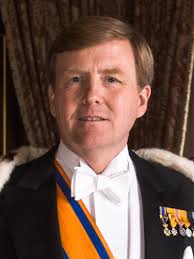
Eps 138: Biography Of King Willem-Alexander Of The Netherlands
— History
King Willem-Alexander of the Netherlands was born on April 27, 1967, in Utrecht. He is the eldest son of Princess Beatrix and Prince Claus. He studied history at Leiden University and had a career in the Royal Netherlands Navy. Willem-Alexander is known for his interest in water management and international water issues. Before becoming king, he was actively involved in various social and cultural organizations. He married Queen Máxima in 2002, and they have three daughters: Princess Catharina-Amalia, Princess Alexia, and Princess Ariane. Willem-Alexander ascended to the throne on April 30, 2013, following the abdication of his mother, Queen Beatrix. As king, he has focused on modernizing the monarchy, increasing transparency, and connecting with the Dutch people. He is recognized for his accessible and down-to-earth personality, often engaging in conversations and events with citizens.
| Seed data: | Link 1 |
|---|---|
| Host image: | StyleGAN neural net |
| Content creation: | GPT-3.5, |
Host

Roy Vasquez
Podcast Content
Willem-Alexander's path to the throne included a robust military training; he served in the Royal Netherlands Navy and continued to maintain strong ties with the Dutch armed forces throughout his life. His public life gained prominence in the 1990s as he began representing the Dutch royal family at international events. A significant moment in his early career was his marriage to Máxima Zorreguieta Cerruti, an investment banker from Argentina, on February 2, 2002. Their union was met with public admiration and solidified Willem-Alexander's role as a contemporary monarch who bridged tradition with the realities of a diverse, interconnected world.
Ascending to the throne on April 30, 2013, after his mother's abdication, King Willem-Alexander became the youngest monarch in Europe at the time. His reign marked a new chapter for the Dutch royal family, emphasizing a modernized royal image while maintaining deep respect for the country's constitutional traditions. He has consistently championed water management issues, leveraging his experience as a member of the United Nations Secretary-General’s Advisory Board on Water and Sanitation. Moreover, King Willem-Alexander has also placed significant focus on mental health, veterans' affairs, and social cohesion within the Netherlands.
Despite the gravitas of his royal duties, King Willem-Alexander is often seen as a relatable figure. He pilots a commercial KLM flight roughly once a month, blending his personal hobbies with public service. His hands-on approach extends to his parenting of three daughters, Princesses Catharina-Amalia, Alexia, and Ariane, ensuring that his familial responsibilities are tended to alongside his royal obligations. King Willem-Alexander's leadership style is approachable, emphasizing connection and understanding with the Dutch people, steering the monarchy through the 21st century with a keen eye on both tradition and progression.
His reign has not been without challenges, such as navigating the royal family through periods of intense public scrutiny and addressing national issues like the refugee crisis and the COVID-19 pandemic. King Willem-Alexander's response to these events underscores his commitment to adaptability and compassionate leadership, making him a respected figure not just within the Netherlands, but also in the wider international community. King Willem-Alexander continues to embody the Dutch values of pragmatism, inclusivity, and resilience, ensuring that the monarchy remains a relevant and revered institution in modern times.
In essence, King Willem-Alexander exemplifies a modern monarch, balancing the weight of historical legacy with the imperatives of contemporary governance. His life story—from a youth spent in evolving educational environments to a seasoned leader respected for his practical engagement with global issues—paints a portrait of a royal figure deeply attuned to the needs and aspirations of his people.