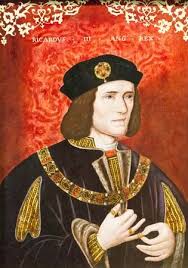
Eps 46: Biography Of King Richard The Third Of England
— history
King Richard III of England, the last king of the House of York and the last of the Plantagenet dynasty, ruled from 1483 until his death in 1485 at the Battle of Bosworth Field, which effectively ended the Wars of the Roses. Born in 1452, Richard's life was marked by political intrigue and battles for succession. Initially a loyal supporter of his brother Edward IV, Richard was appointed as Lord Protector for his nephew Edward V. However, the young king and his brother mysteriously disappeared, leading Richard to ascend the throne. Richard III's reign was relatively short but notable for his attempts at administrative reform and legal justice. His death marked the rise of the Tudor dynasty, and his legacy has been marred by Shakespeare's portrayal of him as a villainous tyrant. Modern archaeological discoveries, including the rediscovery of his remains in 2012, have sparked renewed interest and re-evaluation of his life and reign.
| Seed data: | Link 1 |
|---|---|
| Host image: | StyleGAN neural net |
| Content creation: | GPT-3.5, |
Host

Gail Sullivan
Podcast Content
After the death of his brother, King Edward IV, Richard was named Lord Protector for Edward's young son, Edward V. However, amidst allegations of illegitimacy against Edward IV's children, Richard assumed the throne, a move shrouded in suspicion and accusations of foul play, particularly regarding the mysterious disappearance of Edward V and his brother, often referred to as the Princes in the Tower.
Richard III's reign was marked by efforts to strengthen the royal treasury, legal reforms, and support for the common people. However, his rule was cut short by the Battle of Bosworth Field in 1485, where he was defeated and killed by forces loyal to Henry Tudor, who subsequently became King Henry VII. This battle marked the end of the Wars of the Roses and the dawn of the Tudor era.
Richard’s death also sparked enduring curiosity and debate over his legacy and character. While Shakespeare depicted him as a malevolent hunchback, recent discoveries, including the 2012 unearthing of his remains in Leicester, have allowed historians to reevaluate his life and contributions. Despite the controversies, Richard III remains a fascinating figure in English history, symbolizing both the ruthless ambition of medieval politics and the complexities of historical memory.