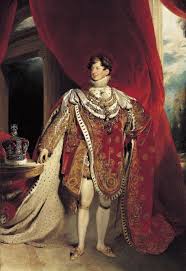
Eps 69: Biography Of King George The Fourth Of The United Kingdom
— history
King George IV of the United Kingdom was born on August 12, 1762, and ascended to the throne in 1820 after the death of his father, King George III. His reign was marked by significant political, social, and cultural changes in Britain. Known for his extravagant lifestyle and love for the arts, George IV was instrumental in the Regency era's cultural flourishing. However, his tenure as king faced challenges, including immense public debt, strained relationships with his ministers, and widespread unpopularity due to his perceived debauchery and lavish spending. Despite these controversies, George IV left a lasting legacy with his contributions to architecture, such as the Royal Pavilion in Brighton, and his patronage of figures like John Nash. He died on June 26, 1830, at Windsor Castle, and was succeeded by his brother, William IV.
| Seed data: | Link 1 |
|---|---|
| Host image: | StyleGAN neural net |
| Content creation: | GPT-3.5, |
Host

Lisa Reed
Podcast Content
George's reign as Prince Regent from 1811 until his ascension as king in 1820 was imbued with lavish extravagance. Despite his roguish reputation, he played a pivotal role in patronizing the arts, leading to monumental architectural contributions, including the development of the Brighton Pavilion and Regent Street in London. His relationships, notably with Maria Fitzherbert, a Catholic widow whom he married secretly, and Caroline of Brunswick, his estranged wife, were tumultuous and often scandalous, capturing public attention and leading to intense scrutiny.
As King, George IV was faced with political challenges, notably the issues surrounding Catholic emancipation and the continuing effects of the Napoleonic Wars. His reign saw limited direct political engagement, as he preferred a life of seclusion with his pursuits and interests. Despite his personal vices and the controversial nature of his relationships, George IV's influence on British cultural life was profound. His legacy includes significant contributions to national architecture and arts, which have left a lasting imprint on the cultural heritage of the United Kingdom. George IV died on June 26, 1830, and was succeeded by his brother, William IV. His reign, though often criticized for his personal excesses, undeniably shaped the cultural landscape of his time.