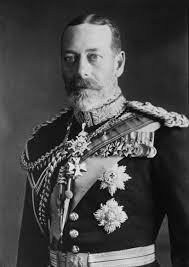
Eps 75: Biography Of King George The Fifth Of The United Kingdom
— history
King George V of the United Kingdom was the second son of King Edward VII and ascended to the throne in 1910 following the death of his father. Initially not expected to become king due to his elder brother, Prince Albert Victor, George's destiny changed when Albert died prematurely. George married Princess Victoria Mary of Teck, known as Queen Mary, with whom he had six children. George V's reign, which lasted from 1910 to 1936, was marked by significant events including World War I, which saw the rebranding of the royal family name from the House of Saxe-Coburg and Gotha to the House of Windsor due to anti-German sentiment. His rule also saw significant political changes, such as the rise of the Labour Party and more frequent coalition governments. King George was known for his dedication to duty and the welfare of his subjects, fostering a sense of stability and continuity during tumultuous times. His later years were plagued by health issues, and he was succeeded by his son, Edward VIII, after passing away in 1936. King George V is remembered for his role in modernizing the British monarchy and navigating the nation through the early 20th century's complexities.
| Seed data: | Link 1 |
|---|---|
| Host image: | StyleGAN neural net |
| Content creation: | GPT-3.5, |
Host

Louis Miles
Podcast Content
King Edward VII's death in 1910 marked George's ascension to the throne, a transition period shadowed by political upheaval and the restructuring of the British Empire. King George V reigned through one of the most turbulent times in modern history, including World War I and significant social and economic changes. His decision to adopt the name Windsor in 1917, changing it from the traditional German House of Saxe-Coburg and Gotha, was a strategic move to distance the royal family from anti-German sentiments during the war.
Known for his strong sense of duty and his dedication to his people, George V was a unifying figure during the war, frequently visiting the front lines and hospitals. Despite the challenges of his reign, he maintained stability and continuity for the monarchy through his personal commitment to family and nation. His influence extended beyond Britain as he navigated the complex relationships with dominions and colonies, gradually supporting a more equal status within the Commonwealth.
King George V's reign also saw significant constitutional changes, including the Parliament Act of 1911 which limited the powers of the House of Lords, and the rise of the Labour Party, which formed its first government in 1924. His ability to maintain good relations with successive Prime Ministers and his keen awareness of public sentiment were instrumental in mitigating potential conflicts during a rapidly changing era.
By the time of his Silver Jubilee in 1935, King George V had earned widespread respect and affection, symbolizing a stable anchor in a sea of change. He died on January 20, 1936, succeeded by his son Edward VIII, whose abdication later that year would precipitate another constitutional crisis. King George V's legacy is one of steadfast dedication, navigating a dynasty through modernization and upheaval, while embodying the enduring spirit of public service.