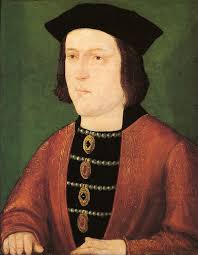
Eps 44: Biography Of King Edward The Fourth Of England
— history
King Edward IV of England reigned during the 15th century and was a central figure in the Wars of the Roses, a series of dynastic conflicts between the houses of York and Lancaster. He was born in 1442 and ascended to the throne after a swift military campaign, defeating the Lancastrian forces. Edward IV was known for his military prowess and political shrewdness, successfully establishing the Yorkist dynasty. His reign was marked by both domestic and international challenges, but he managed to maintain relative stability and prosperity. His turbulent relationship with Warwick the Kingmaker and eventual marriage to Elizabeth Woodville were key episodes in his life. Edward's death in 1483 led to a brief and unstable succession, paving the way for the eventual rise of the Tudor dynasty.
| Seed data: | Link 1 |
|---|---|
| Host image: | StyleGAN neural net |
| Content creation: | GPT-3.5, |
Host

Jo Gilbert
Podcast Content
Edward's reign was far from peaceful. Following his ascension, he faced numerous uprisings and challenges to his rule, most notably from Henry VI's staunch supporter, Margaret of Anjou. Despite the turbulence, Edward proved to be a shrewd and effective ruler. His administrative reforms and efforts to stabilize the economy were significant achievements that helped consolidate his power. However, his reign was also marked by personal controversy, particularly his clandestine marriage to Elizabeth Woodville, a commoner, which incited resentment among his nobility and disrupted traditional alliances.
The latter part of Edward's reign was marred by internal family strife, especially with his brother, the Duke of Clarence, whose repeated betrayals eventually led to his execution in 1478. Conversely, Edward maintained a close relationship with his other brother, Richard, Duke of Gloucester, who would later become Richard III. Edward’s sudden death in 1483 at the age of 40, possibly due to illness exacerbated by his historically indulgent lifestyle, left a power vacuum that precipitated the events leading to the end of the Wars of the Roses.
Edward IV’s legacy is a complex tapestry of military prowess, political acumen, and personal indiscretions. Though his reign was overshadowed by the constant threat of rebellion and familial treachery, his contributions to the consolidation of royal power and the strengthening of the monarchy laid the groundwork for the eventual rise of the Tudor dynasty. His life encapsulates the volatile nature of 15th-century English politics, wherein cunning, ambition, and sheer force of will determined the fate of the realm.