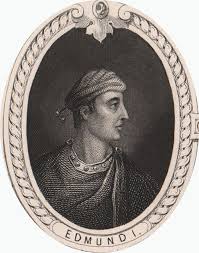
Eps 6: Biography Of King Edmund The First Of The English
— history
King Edmund the First of the English, also known as Edmund the Magnificent, ruled from 939 to 946 AD. During his reign, Edmund was noted for striving to unify and consolidate his kingdom. He faced significant challenges from both within and outside his realm, including threats from Viking invaders led by Olaf Guthfrithson. Edmund's actions to reclaim Norse-held territories and his alliances through marriage bolstered his rule, bringing relative stability to his kingdom. Edmund's policy of building alliances and integrating diverse regions into his control showcased his strategic acumen. His diplomatic marriage to Ælfgifu resulted in two sons, Edwy and Edgar, who continued his lineage. Tragically, Edmund’s life and reign were cut short when he was assassinated in 946 AD during a feast. His efforts, however, laid crucial groundwork for the unified English kingdom his descendants would continue to fortify.
| Seed data: | Link 1 |
|---|---|
| Host image: | StyleGAN neural net |
| Content creation: | GPT-3.5, |
Host

Jonathan Ruiz
Podcast Content
Edmund's early years as king were dominated by the struggle to maintain control over the territories that Athelstan had unified. The period was fraught with Viking invasions and internal strife. One of his first significant challenges was the reconquest of the territories lost to the Norse-Gael king Olaf Guthfrithson, who had seized York and other northern regions upon Athelstan’s death. Demonstrating both military acumen and political savvy, Edmund successfully reclaimed these key areas, securing his hold over Northumbria by 942 AD.
In addition to his military campaigns, King Edmund was notable for his attempts at legal reform and the consolidation of royal power. His reign saw the issuing of laws aimed at curbing blood feuds, a frequent and violent component of Anglo-Saxon life. His legal enactments sought to enforce royal justice and maintain public order, emphasizing the king’s role as the central authority in legal matters. These efforts underscore Edmund’s vision of a stronger, more cohesive English state under centralized rule.
Edmund's personal life was marred by tragedy. He experienced the early death of his first wife, Ælfgifu, with whom he had two sons, Eadwig and Edgar, both of whom would eventually become kings themselves. Edmund remarried Æthelflæd of Damerham, but their union did not produce any more children. His brief but impactful life came to a sudden end in 946 AD when he was murdered during a festival at Pucklechurch in Gloucestershire, allegedly by an exiled thief named Leofa. The circumstances of his death remain somewhat shrouded in mystery, adding an element of intrigue to his legacy.
King Edmund's reign may have been short, lasting only seven years, but it was undeniably significant in the continuum of English history. His efforts to reclaim lost territories, strengthen the rule of law, and maintain the unity of the realm during tumultuous times set important precedents for his successors. Somewhat forgotten in the grand narrative of English history, Edmund’s achievements nonetheless provided a foundation upon which his more famous kin would build. His legacy of resilience and governance amid adversity remains a testament to his role as a pivotal, if often understated, figure in the formation of a united England.