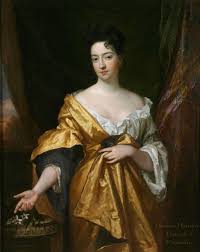
Eps 40: Biography Of Duchess Hortense Mancini
— History
Hortense Mancini, born in Rome in 1646, was one of five sisters celebrated in Europe for their beauty and wit. She married Armand-Charles de La Porte, a marriage marked by his jealousy and erratic behavior. Seeking independence, Hortense fled to England, where she became mistress to King Charles II. Her life in England involved significant political and social influence, often employing her charm and intelligence to navigate the complexities of court life. Despite numerous challenges, including financial strains and unstable relationships, Hortense remained a resilient figure until her death in 1699. Her legacy reflects a blend of beauty, intelligence, and fierce autonomy in a tumultuous era.
| Seed data: | Link 1 |
|---|---|
| Host image: | StyleGAN neural net |
| Content creation: | GPT-3.5, |
Host

Sheila Griffin
Podcast Content
At just 15 years old, Hortense was married off to one of the wealthiest men in France, Armand-Charles de la Porte, Duc de La Meilleraye. The union, however, was marred by her husband's jealousy and oppressive behavior, prompting Hortense to eventually flee her marital home. Her daring escape in 1668 marked the beginning of an extraordinary journey across Europe, seeking refuge and support from various courts and nobles. Hortense's travels saw her taking up residence in Savoy, and later establishing herself in England, where she became a favorite of King Charles II, who granted her a pension and set her up in a lavish household.
Not just a figure of scandal and romance, Hortense Mancini was a woman of intellect and culture, hosting salons that attracted poets, philosophers, and artists. Her memoirs, reflecting on her adventurous life and the societal constraints placed upon her, provide a revealing window into the struggle for autonomy experienced by women of her era. Despite her tumultuous life, filled with personal losses and public controversies, Hortense Mancini's legacy endures as a symbol of resilience and defiance against societal norms.
Her life, marked by an insatiable quest for freedom and self-expression, offers a fascinating glimpse into the constraints and possibilities for women in the highly stratified society of the time. Duchess Hortense Mancini's story is not just one of personal survival, but also of the broader dynamics of power, influence, and gender roles in early modern Europe. Through her correspondence and memoirs, we see a portrait of a determined and astute woman navigating the intricate web of court politics, familial expectations, and her own desires, leaving an indelible mark on history.