Eps 1925: Beginning with Zen - Everything a beginner practicioner needs to know to practice zen Buddhism daily
— The too lazy to register an account podcast
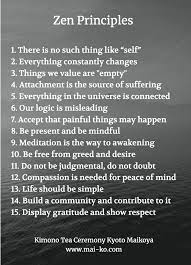
In the 10-minute podcast titled "Beginning with Zen - Everything a beginner practitioner needs to know to practice Zen Buddhism daily," the host provides a concise overview of the essential aspects and practices of Zen Buddhism for beginners. The host explains that Zen Buddhism emphasizes mindfulness and meditation as key components of the practice. They highlight the importance of establishing a regular meditation routine, even if it initially starts with just a few minutes per day. The host also emphasizes the significance of posture, breath, and focus during meditation, and recommends using techniques such as counting breaths or focusing on a specific object to maintain concentration. Additionally, they discuss the importance of incorporating mindfulness into daily activities, such as eating and walking, to cultivate a sense of presence and awareness. Overall, the podcast aims to equip beginners with the fundamental knowledge and tools necessary to begin practicing Zen Buddhism on a daily basis.
| Seed data: | Link 1 |
|---|---|
| Host image: | StyleGAN neural net |
| Content creation: | GPT-3.5, |
Host

Carla Fisher
Podcast Content
Introduction:
Welcome to "Beginning with Zen," a podcast dedicated to providing valuable insights into the practice of Zen Buddhism for beginners. Whether you are new to Buddhism or simply interested in exploring the Zen philosophy, this podcast aims to equip you with the knowledge and tools necessary to incorporate Zen practices into your daily life. In this episode, we will delve into the fundamentals of Zen Buddhism, its key principles, meditation techniques, and practical tips for incorporating Zen into your daily routine.
Understanding Zen Buddhism:
Zen Buddhism originated in China around the 6th century and later spread to Japan. It emphasizes direct, experiential understanding and transcends the limitations of language and intellectual concepts. Zen focuses on cultivating mindfulness, insight, and the realization of one's true nature. It encourages practitioners to live in the present moment and experience the world as it is, without judgment or attachment.
The Zen Mindset:
To practice Zen Buddhism, one must develop a mindset of openness and curiosity. This involves approaching each moment with a sense of beginner's mind, devoid of preconceived notions or judgments. With this mindset, one can genuinely experience life's richness and inherent beauty. Adopting a non-dualistic perspective, where there is no distinction between self and environment, is also central to the Zen mindset.
The Role of Meditation:
Meditation is at the heart of Zen practice. It provides practitioners with a platform to still their minds, observe their thoughts without engagement, and cultivate mindfulness. Practicing zazen, or seated meditation, is essential in Zen Buddhism. Focusing on the breath or maintaining attention on a particular point of focus, such as a koan (paradoxical question), helps quiet the mind and deepen awareness. Integrating meditation into your daily routine, even for a few minutes, can gradually transform your life.
Incorporating Zen into Daily Life:
Zen is not confined to the meditation cushion but extends to every aspect of life. Mindful eating, working, and even cleaning can all become opportunities for Zen practice. Paying attention to each task as it unfolds, free from distraction, allows us to fully engage in the present moment. Additionally, developing a sense of gratitude helps cultivate an appreciation for even the simplest of experiences.
Embracing Silence and Solitude:
Silence and solitude play a significant role in Zen practice. By spending time alone, we allow ourselves to witness our thoughts and emotions without external distractions. Solitude grants us the space to nourish our spiritual growth, reflect upon our experiences, and cultivate a deeper understanding of our true selves. Embracing silence through regular periods of quiet contemplation can help foster resilience and a greater sense of peace.
Finding Guidance and Community:
In the journey of Zen practice, finding guidance from a teacher or joining a community of practitioners can be immensely beneficial. A Zen teacher offers valuable insights, guidance, and support, helping to deepen your understanding and commitment to the practice. Participating in a Zen sangha (community) provides an opportunity to engage with like-minded individuals, share experiences, and learn from one another.
Conclusion:
As we conclude this episode of "Beginning with Zen," we hope you have gained a deeper understanding of Zen Buddhism and its practical applications. Remember that Zen is a lifelong journey, and its benefits lie in the consistent practice of mindfulness, meditation, and embracing the present moment. By incorporating Zen principles into your daily life, you can cultivate a sense of peace, clarity, and oneness with the world around you. Join us next time for more insights and practical tips on your Zen journey.