Eps 1886: Basics od AI
— The too lazy to register an account podcast
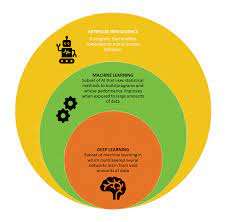
The podcast titled "Basics of AI" is a 10-minute conversation about the fundamental concepts and components of artificial intelligence (AI). The hosts discuss how AI refers to the development of computer systems that can perform tasks without explicit human instructions. They highlight the importance of machine learning, a subset of AI, which enables computers to learn and improve from experience without being explicitly programmed. This is achieved through algorithms that analyze large amounts of data. The conversation further covers the three main types of AI: narrow AI (specific tasks), general AI (human-like intelligence), and superintelligent AI (intellectual capabilities surpassing humans). They explain that while narrow AI is currently prevalent, achieving general and superintelligent AI remains a topic of ongoing research and debate. The podcast also explores the impact of AI in various fields such as healthcare, transportation, and finance. It emphasizes that AI has the potential to revolutionize these sectors by improving efficiency, accuracy, and productivity. However, the hosts also acknowledge the ethical concerns surrounding AI, including privacy, bias, and job displacements, which require careful regulation. In conclusion, the podcast provides a brief but informative overview of AI, its underlying machine learning principles, and potential applications in different industries. It highlights the current dominance of narrow AI, while acknowledging the ongoing pursuit of general and superintelligent AI. Additionally, it raises awareness of the ethical considerations associated with AI implementation.
| Seed data: | Link 1 |
|---|---|
| Host image: | StyleGAN neural net |
| Content creation: | GPT-3.5, |
Host

Justin Horton
Podcast Content
Introduction:
Artificial Intelligence (AI) is a rapidly emerging field that has profound impact on various industries and our daily lives. As technology continues to advance, AI is becoming increasingly prevalent, allowing machines to mimic human intelligence and perform tasks that typically require human cognition. In this podcast, we will delve into the basics of AI, exploring its history, key concepts, current applications, and potential future advancements.
What is AI?
At its core, AI refers to the ability of machines or computer systems to exhibit intelligence and perform tasks that usually require human intelligence. This includes various activities such as problem-solving, speech recognition, decision-making, learning, and even creativity. AI is built upon the notion of simulating human cognitive processes, enabling machines to analyze and interpret data, learn from experience, and make autonomous decisions.
Brief history of AI:
Although AI is a contemporary buzzword, its roots can be traced back to the 1950s. The field emerged in response to the idea that machines could be designed to replicate human intelligence. Early pioneers like Alan Turing and John McCarthy laid the groundwork for AI by exploring the fundamental principles of computation and developing algorithms for problem-solving. Over the years, AI has evolved significantly, experiencing periods of both enthusiasm and skepticism, leading to today's advancements and breakthroughs.
Key concepts in AI:
To understand AI better, it is essential to acquaint ourselves with some fundamental concepts. Machine learning is one such concept wherein machines learn from data and improve their performance over time without being explicitly programmed. Natural language processing allows computers to understand and respond to human language, facilitating technologies such as voice assistants and intelligent chatbots. Computer vision enables machines to perceive and interpret visual information, driving advancements in image recognition and self-driving vehicle technology.
Current applications of AI:
AI has found its way into numerous industries, transforming the way we live and work. In healthcare, AI is used for diagnosing diseases, analyzing medical images, and recommending personalized treatments. In the finance sector, AI algorithms are employed for fraud detection, risk assessment, and stock market prediction. AI-powered voice assistants like Siri, Alexa, and Google Assistant have become an integral part of our lives, providing information and performing tasks upon voice command. AI is also revolutionizing transportation, manufacturing, customer service, and many other sectors.
Future prospects:
The future of AI holds immense potential and poses intriguing questions. As technology continues to advance, AI is expected to drive significant progress in fields like autonomous vehicles, robotics, and personalized medicine. However, ethical concerns regarding AI's impact on employment, privacy, and misinformation must also be addressed. Striking a balance between technological advancement and ethical considerations will be crucial in shaping the future of AI.
Conclusion:
Artificial Intelligence is revolutionizing the way we interact with technology and transforming various industries. As AI continues to evolve, its applications and capabilities are set to grow exponentially. From healthcare to finance and beyond, AI is shaping our daily lives and generating new possibilities. Understanding the basics of AI is essential for individuals and businesses to harness the power of this groundbreaking technology. So, as we continue to explore and advance in this field, let us embrace the potential and possibilities that AI offers, while ensuring we address its ethical implications.