Eps 1: art of war summary
— bsn
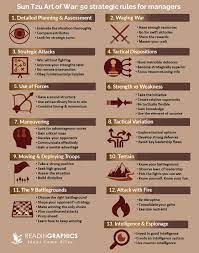
The podcast provides a comprehensive summary of Sun Tzu's "The Art of War," detailing its strategic teachings on warfare and leadership. Key principles include the importance of planning and flexibility, the value of intelligence and deception, and the necessity of understanding both one’s own strengths and the enemy’s weaknesses. Sun Tzu advocates for strategies that minimize conflict and maximize efficiency, highlighting the benefits of winning without fighting. He emphasizes adaptability, the judicious use of resources, and the role of wise leadership in achieving victory.
| Seed data: | Link 1 |
|---|---|
| Host image: | StyleGAN neural net |
| Content creation: | GPT-3.5, |
Host

Everett Pena
Podcast Content
He also emphasizes the importance of flexibility, urging leaders to adapt their strategies according to the changing circumstances of the battlefield. Terrain, climate, morale, and leadership are crucial factors that must be taken into account when making decisions. Another key point is the significance of intelligence and espionage; knowing the enemy’s plans and weaknesses can turn the tide of battle even before it begins.
Sun Tzu’s principles also extend to the organization and conduct of troops. He advises leaders to treat their soldiers with respect while maintaining strict discipline to achieve the highest level of performance and unity. Clear communication and the right hierarchy are essential to maintain order and effectiveness. Furthermore, he points out the importance of choosing the right battles, avoiding prolonged warfare that can drain resources and morale.
"Art of War" also highlights the psychological aspects of leadership, advocating for a calm and composed demeanor to inspire confidence among the troops while instilling fear and uncertainty in the enemy. Sun Tzu believes that a wise leader must also possess the virtue of patience, waiting for the opportune moment to strike.
In essence, Sun Tzu's "Art of War" combines strategic acumen, psychological insight, and ethical considerations into a coherent philosophy that extends well beyond the battlefield. It teaches us that victory is not simply about brute strength or numerical superiority but about understanding, adaptability, and strategic execution.