Eps 1826: Algoritmos voraces
— The too lazy to register an account podcast
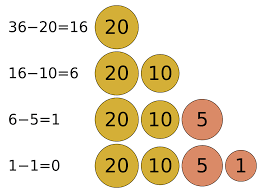
The podcast titled "Algoritmos voraces" discusses greedy algorithms. Greedy algorithms are a type of algorithm that make locally optimal choices at each step with the hope that this will lead to a globally optimal solution. They are efficient and simple, making them widely used in computer science and engineering. The host explains that greedy algorithms work by making the best choice at each step without considering the consequences of that choice on future steps. While this approach may not always lead to the best overall solution, it often results in a solution that is close to the optimum. The podcast provides examples of greedy algorithms, such as the coin change problem, where the algorithm selects the largest available coin that does not exceed the desired amount until the desired amount is reached. Another example is the activity selection problem, where the algorithm chooses the activity with the earliest finishing time and removes any activities that conflict with it. The host highlights the advantages of greedy algorithms, including their simplicity, efficiency, and ability to find reasonably good solutions quickly. However, they also caution that greedy algorithms may not always provide the best solution and that careful analysis is required to ensure their effectiveness. Overall, the podcast emphasizes that greedy algorithms are a powerful tool for solving optimization problems, but their limitations should be recognized and their choices validated through analysis.
| Seed data: | Link 1 |
|---|---|
| Host image: | StyleGAN neural net |
| Content creation: | GPT-3.5, |
Host

Ronnie Shaw
Podcast Content
Introduction:
Welcome to another episode of our podcast, where today we will be discussing "Algoritmos voraces" or "Greedy Algorithms." Algorithms are essential tools that help solve problems efficiently, and greedy algorithms are no exception. In this episode, we will explore the concept of greedy algorithms, their applications, and their advantages and disadvantages.
Understanding Greedy Algorithms:
At its core, a greedy algorithm follows a simple approach of making the optimal choice at each step of the problem without considering the overall consequences. The goal is to maximize the immediate benefit, hoping that it will lead to an overall optimal solution. Although this strategy may seem shortsighted, greedy algorithms are often surprisingly effective for specific types of problems.
Applications of Greedy Algorithms:
Greedy algorithms find numerous applications in various fields, including computer science, engineering, finance, and operations research. Two classic examples include the coin change problem and the activity selection problem. In the coin change problem, the goal is to find the most efficient way to provide change for a given amount using the fewest possible coins. The activity selection problem involves selecting a maximum number of compatible activities from a given set, maximizing the total duration of activities. These scenarios showcase the practical significance of greedy algorithms.
Advantages of Greedy Algorithms:
One of the significant advantages of greedy algorithms is their efficiency. They typically have a lower time complexity compared to other more complex algorithms, making them a suitable choice for large-scale problems. Additionally, greedy algorithms provide quick and often acceptable solutions that can be utilized in real-time applications. Their simplicity and ease of implementation make them more accessible for both beginners and experts alike.
Disadvantages of Greedy Algorithms:
While greedy algorithms have their merits, it is crucial to acknowledge their limitations as well. Firstly, they heavily rely on local optimization and may not always provide globally optimal solutions. In certain situations, the greedy approach can lead to suboptimal or even incorrect results. Furthermore, greedy algorithms may not be suitable for problems where the optimal solution depends on the interaction of different variables. Careful consideration is essential when deciding whether to employ a greedy algorithm or explore alternative approaches.
Real-World Examples:
Greedy algorithms find practical applications in various real-world scenarios. For instance, in the field of scheduling, greedy algorithms are often employed for the efficient allocation of resources, such as staff, equipment, or transportation. Another example is in the optimization of cloud computing resource allocation, where greedy algorithms can help maximize resource utilization and minimize energy consumption. These examples demonstrate how greedy algorithms offer practical solutions to complex problems.
Conclusion:
In conclusion, greedy algorithms are a valuable tool in the realm of problem-solving. While they may not always guarantee the overall optimal solution, their simplicity, efficiency, and quick results make them an attractive choice for certain problem types. Studying and understanding greedy algorithms can provide valuable insights into the design and analysis of algorithms, enabling us to solve various optimization problems in a more efficient and effective manner. Thank you for joining us today, and we hope you found this episode enlightening.