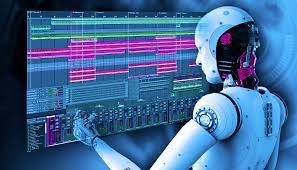
Eps 1: AI in the music industry
In a 10-minute podcast titled "AI in the music industry," the speaker discusses the role of artificial intelligence (AI) in revolutionizing the music industry. They highlight that AI technology is increasingly being employed in various aspects of music creation, production, and consumption. The speaker explains that AI algorithms can analyze massive amounts of data, allowing musicians and producers to gain insights into popular trends, patterns, and preferences in music. This data-driven analysis helps artists make informed decisions about their creative process, such as selecting beats, melodies, or chord progressions that are more likely to resonate with the audience. They further explore the use of AI in composing music. AI systems are capable of generating original compositions by training on existing musical data. The speaker suggests that while AI-generated music can be impressive, it lacks creativity and the emotional depth that human musicians bring. However, they acknowledge that AI can be a powerful tool for collaboration, assisting musicians in exploring new ideas and expanding their creative boundaries. In terms of music production, AI-powered software is being utilized to enhance the mixing and mastering process. AI algorithms can automatically adjust audio levels, improve sound quality, and even emulate the acoustics of different recording studios. This saves time for producers and engineers, allowing them to focus more on artistic aspects. Additionally, AI is making an impact on how music is consumed and personalized. Streaming platforms use AI algorithms to curate personalized playlists based on users' listening habits. The technology analyzes user preferences and recommends songs, introducing listeners to new artists and genres that align with their taste. Despite the many benefits AI brings to the music industry, there are concerns about its potential implications. The speaker mentions ethical considerations related to copyright and ownership of AI-generated music. They also touch on the fear that AI, if not properly regulated, could lead to job displacement for musicians and professionals in the industry. Overall, the podcast emphasizes the growing presence of AI in the music industry, its potential for transforming various aspects of music creation, production, and consumption, and the need for a balanced approach to leverage AI's capabilities while safeguarding musicians' rights and creativity.
| Seed data: | Link 1 |
|---|---|
| Host image: | StyleGAN neural net |
| Content creation: | GPT-3.5, |
Host

Heather Johnston
Podcast Content
The world of music has always been one that thrives on creativity and innovation. Artists spend countless hours composing, producing, and performing, all in an effort to create something unique and captivating. However, over the years, the music industry has seen a rapid transformation with the integration of artificial intelligence (AI). AI has revolutionized various fields, from healthcare to finance, and now it has found its way into the music industry, impacting every aspect of the creative process. In this podcast, we will explore the role of AI in the music industry, its benefits, and potential challenges it might bring.
One of the most prominent uses of AI in the music industry is in the area of music composition. AI algorithms have been designed to generate melodies, harmonies, and even full compositions. Through the use of machine learning techniques, these algorithms analyze vast amounts of data from existing music to understand patterns, structures, and styles. This allows AI to compose original pieces of music that can rival those composed by human artists. AI-generated music has the potential to produce unique sounds and compositions that push the boundaries of traditional music. However, critics argue that AI can never replicate the emotions and depth that human composers bring to their work.
Another significant use of AI in the music industry is in music production. AI-powered tools can automatically tune vocals, adjust levels, and even suggest additional instruments or effects. This not only speeds up the production process but also enhances the overall quality of the final product. AI algorithms can analyze and optimize sound recordings, eliminating imperfections and ensuring a polished and professional sound. However, some argue that this level of automation may lead to a loss of authenticity, as it removes the human touch and imperfections that make music relatable and emotionally resonant.
In addition to its role in composition and production, AI is also being utilized in the realm of music recommendation and curation. Streaming platforms like Spotify and Apple Music leverage AI algorithms to analyze user listening habits and preferences. These algorithms can then generate personalized playlists and recommendations, tailored to individual tastes. By using AI, music platforms can provide users with a seamless and enjoyable listening experience, discovering new artists and songs that align with their interests. However, there are concerns about AI algorithms perpetuating a bubble of recommendations, limiting exposure to new and diverse music.
While the benefits of AI in the music industry are evident, there are potential challenges that come with its integration. One of the primary concerns is the impact on employment. As AI becomes more proficient in composing and producing music, it may lead to a decrease in demand for human musicians and producers. This has raised questions about the future of employment in the industry and the potential loss of creativity and diversity. Additionally, there are ethical considerations surrounding AI-generated music, particularly in terms of copyright and ownership. Determining the rights and royalties for AI-generated compositions remains a complex issue that will require careful legal and ethical examination.
In conclusion, AI has significantly impacted the music industry, from composition to production, and even recommendation and curation. The integration of AI algorithms has streamlined processes, enhanced sound quality, and improved the overall listening experience for consumers. Despite concerns about authenticity and potential job displacement, AI has opened up new possibilities for creating and enjoying music. As technology continues to advance, it will be intriguing to witness the evolution of AI in the music industry and the potential it holds for innovation and creativity.