Eps 62: Adult Learning Principles: Strategies for Effective Education
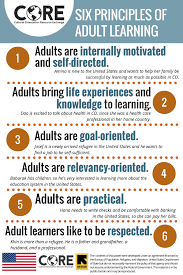
Adult learning principles focus on understanding how adults learn differently from children and applying strategies tailored to these differences. Key principles include the need for practical, problem-solving-oriented learning experiences, drawing on learners' prior knowledge and experiences, and ensuring relevance to their personal and professional lives. Strategies for effective education involve creating interactive and engaging environments, encouraging collaboration, offering flexibility, and providing immediate, constructive feedback. Additionally, fostering a sense of responsibility in learners for their educational journey is emphasized, alongside the importance of setting clear, achievable objectives and recognizing the diversity of adult learners' backgrounds, goals, and learning styles.
| Seed data: | Link 1 |
|---|---|
| Host image: | StyleGAN neural net |
| Content creation: | GPT-3.5, |
Host

Sophia Fletcher
Podcast Content
Experiential learning is another cornerstone of adult education. Adults thrive when they can connect new information to their existing knowledge and experiences. Creating opportunities for them to engage in problem-solving activities, case studies, and real-life scenarios allows for this integration and makes the learning process more meaningful.
Moreover, the immediate application of knowledge is critical. Adults often seek learning that they can apply directly to their professional or personal lives. Structuring lessons that include actionable insights and practical tasks can enforce the learning material and provide instant value, reinforcing their motivation and retention.
Collaboration also plays a pivotal role. Facilitating discussions, group work, and peer teaching can harness the collective knowledge within the group, fostering a richer learning environment. This not only helps in knowledge retention but also builds a community of learners who can support each other beyond the formal educational setting.
Respecting the diversity in backgrounds and learning styles is essential. Adults come into educational settings with varied life experiences, cultural backgrounds, and learning preferences. Tailoring teaching approaches to accommodate these differences—whether through varied instructional methods or flexible learning schedules—can maximize inclusivity and effectiveness.
Feedback in adult learning should be constructive and timely. Adults appreciate validation of their efforts and clear guidance on areas for improvement. Providing feedback that is specific, action-oriented, and delivered in a manner that acknowledges their expertise ensures that it is received constructively.
Lastly, the concept of lifelong learning should be instilled. Encouraging adults to see education as an ongoing journey rather than a destination prepares them to continuously seek growth and development. Integrating reflective practices and critical thinking exercises helps in cultivating a mindset that values continuous learning and adaptability.
Incorporating these principles makes education for adults not only more effective but also more enriching. By understanding and leveraging the unique characteristics of adult learners, educators can create impactful, enduring educational experiences.