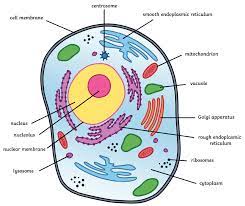
Eps 2136: A typical animal cell
— The too lazy to register an account podcast
In a podcast titled "A typical animal cell," the speaker discusses the basic structure and functions of an animal cell. The cell is described as a complex and highly organized unit that forms the building blocks of all living organisms. The podcast explains that animal cells contain several key components, including the nucleus, cytoplasm, and cell membrane. The nucleus serves as the control center of the cell, housing the genetic material and regulating cell activities. The cytoplasm, a jelly-like substance, fills the cell and supports organelles. The cell membrane ensures the protection and transportation of substances in and out of the cell. The podcast then focuses on various organelles within an animal cell, starting with mitochondria. These organelles are responsible for generating energy through cellular respiration. The endoplasmic reticulum, another organelle, plays a role in protein synthesis and the transport of lipids. The speaker also mentions the Golgi apparatus, which modifies, processes, and packages proteins for transport. Lysosomes, known as the cell's recycling center, break down waste materials and cellular debris. The cytoskeleton, consisting of microtubules and microfilaments, provides structural support and assists with cell movement. In addition, the podcast highlights the importance of ribosomes in protein synthesis, while peroxisomes are involved in the breakdown of fatty acids. The centrioles help with cell division, while the vacuoles store water, nutrients, and waste products. Overall, this podcast provides a brief overview of the main components and functions of a typical animal cell, shedding light on the intricate structures that enable cells to carry out vital processes necessary for an organism's survival.
| Seed data: | Link 1 |
|---|---|
| Host image: | StyleGAN neural net |
| Content creation: | GPT-3.5, |
Host

Nicole Gonzalez
Podcast Content
Introduction:
Welcome to today's podcast on "A Typical Animal Cell." In this episode, we will delve into the intricate world of animal cells, exploring their unique structures and functions. Our aim is to provide a comprehensive understanding of what makes up an animal cell and how its individual components contribute to the overall functionality of living organisms. So, let's dive in!
Cell Membrane:
Starting our journey within the cell, we encounter the cell membrane which forms a protective barrier around the cell, controlling the passage of materials in and out. Composed of a phospholipid bilayer embedded with specialized proteins, the cell membrane also facilitates cell-cell communication and recognition, thus playing a crucial role in maintaining cellular functionality.
Nucleus:
As we venture deeper, we reach the nucleus, commonly referred to as the control center of the cell. Enclosed within a double membrane called the nuclear envelope, the nucleus houses the cell's genetic material in the form of chromosomes. Within the nucleus, the nucleolus plays a significant role in the production of ribosomes necessary for protein synthesis.
Endoplasmic Reticulum (ER):
Moving on, we encounter the endoplasmic reticulum, a membranous network extending throughout the cell. The ER can be classified into rough and smooth ER. The rough ER is studded with ribosomes that synthesize and modify proteins, while the smooth ER participates in lipid metabolism, detoxification, and regulation of calcium levels within the cell.
Golgi Apparatus:
Next on our journey is the Golgi apparatus, often likened to a shipping and receiving center within the cell. The Golgi modifies, sorts, and packages proteins synthesized in the ER, ensuring their proper distribution to various destinations within and outside the cell. Furthermore, it plays a role in the synthesis of complex carbohydrates.
Mitochondria:
One of the most vital organelles in animal cells is the mitochondria, often described as the powerhouses of the cell. These bean-shaped structures are the main sites for energy production through cellular respiration. Mitochondria generate adenosine triphosphate (ATP), the universal currency of energy used by cells to support various vital processes.
Lysosomes:
Our exploration now takes us to the lysosomes, known as the cell's recycling centers. These small sac-like organelles contain digestive enzymes capable of breaking down waste materials, foreign substances, and even worn-out organelles. Through this process, lysosomes maintain cellular hygiene and participate in the renewal of cellular components.
Cytoskeleton:
The cytoskeleton forms an intricate structural network, giving shape and support to the cell. Comprising microfilaments, intermediate filaments, and microtubules, the cytoskeleton also facilitates cell division, cell migration, and serves as a scaffold for various organelles. Additionally, it plays a role in intracellular transport and cell signaling.
Centrioles:
Within animal cells, centrioles are essential for cell division, particularly during mitosis and meiosis. Composed of nine sets of microtubule triplets arranged in a cylindrical structure, centrioles organize and direct the formation of spindle fibers that separate replicated chromosomes during cell division.
Conclusion:
In this podcast, we have explored the fascinating world of a typical animal cell. From the cell membrane to the various organelles within, each component plays a crucial role in maintaining the cell's integrity, supporting vital cellular processes, and ensuring the overall functionality of living organisms. Understanding the intricate structure and functions of an animal cell opens up a world of possibilities for advancing our knowledge of biology and medicine.