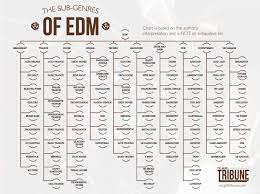
Eps 28: 5 Subgenres Of EDM
The podcast discusses five subgenres of electronic dance music (EDM). The first subgenre mentioned is techno, which originated in Detroit in the 1980s and is known for its repetitive beats and rhythms. The second subgenre is house, which emerged in Chicago in the 1980s and has a more soulful, jazzy sound. The third subgenre is dubstep, which originated in the UK in the 2000s and is characterized by heavy bass and minimal melody. The fourth subgenre is trance, which has a more melodic and uplifting sound and is often associated with the EDM festival scene. The final subgenre mentioned is drum and bass, which has a fast tempo and intricate drum patterns. The podcast provides examples of artists and tracks from each subgenre and discusses their unique characteristics.
| Seed data: | Link 1 |
|---|---|
| Host image: | StyleGAN neural net |
| Content creation: | GPT-3.5, |
Host

Katie Morris
Podcast Content
First on our list is techno, which originated in Detroit, Michigan, in the United States. Techno is characterized by its heavy use of synthesizers, drum machines, and computer-generated sounds. The beats are usually fast-paced and repetitive, with a steady rhythm that encourages dancing. Techno is often associated with the underground rave scene, and it has earned a reputation for its intense energy and hypnotic quality.
Next, we have house music, which emerged in Chicago, Illinois, in the 1980s. House music features a four-on-the-floor beat, which means that the kick drum hits on every beat of the measure. Its tempo is usually around 120 to 130 beats per minute, and it often incorporates elements of soul, funk, and disco music. House music is characterized by its repetitive nature, and it usually features a catchy hook or vocal sample.
Third on our list is trance music, which emerged in the early 1990s in Europe. Trance is characterized by its uplifting melodies, pulsating beats, and atmospheric soundscapes. It often features long, slowly developing builds and breakdowns, which are designed to create a sense of euphoria and transcendence. Trance music has a loyal following, and it's often associated with the festival and club scenes.
Fourth on our list is dubstep, which originated in South London, England, in the early 2000s. Dubstep is characterized by its heavy, "wobbly" basslines, and syncopated rhythms. It usually features a half-time beat, which means that the drums hit on every other beat of the measure, and it often incorporates elements of reggae, hip-hop, and grime. Dubstep has a reputation for being heavy and aggressive, but it can also be introspective and melancholic.
Finally, we have drum and bass, which originated in the United Kingdom in the early 1990s. Drum and bass is characterized by its fast, syncopated beats, and intricate drum programming. It usually features a breakbeat, which means that the drums are made up of a series of sampled drum breaks from other songs. Drum and bass often features heavy basslines and intricate melodies, and it has a reputation for being energetic and intense.
In conclusion, the five subgenres of EDM that we explored in this podcast are techno, house, trance, dubstep, and drum and bass. Each of these subgenres has a unique sound and style, and they've each contributed to the rich tapestry of electronic dance music. Whether you're into the hypnotic beats of techno or the euphoric melodies of trance, there's something for everyone in the world of EDM. Thank you for tuning in, and we hope you enjoyed this overview of the five subgenres of electronic dance music.